2026 Top Trends in Racked Warehouse Design and Innovation?
The landscape of Racked Warehouse design is evolving rapidly. As e-commerce grows, optimizing storage space becomes crucial. According to a report by McKinsey, effective warehouse design can increase efficiency by up to 30%. This trend aims to address the increasing demand for faster shipping and better organization.
Industry experts emphasize innovative designs that incorporate technology and flexibility. John Smith, a leader in warehouse optimization, states, "Future warehouses must adapt to shifting demands." His insights reflect a growing need for adjustable shelving and automation to maximize productivity.
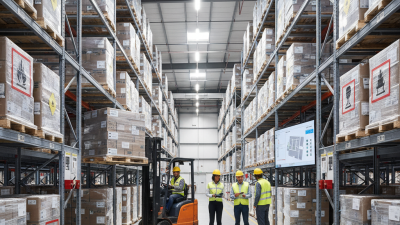
However, challenges remain. Many warehouses still rely on outdated layouts, hindering efficiency. Adapting to new trends is not just about upgrading equipment. It involves a strategic rethink of space utilization and workflow. The journey toward the ideal Racked Warehouse is ongoing, requiring careful planning and investment.

Emerging Technologies in Racked Warehouse Design for 2026
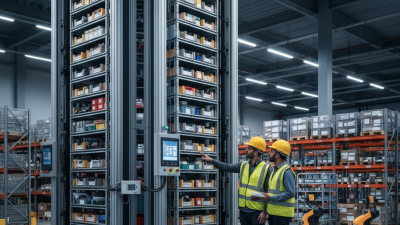
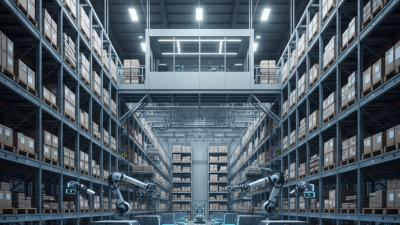
As we look toward 2026, the evolution of racked warehouse design is driven by innovative technologies. Automated storage and retrieval systems (ASRS) are expected to become more prevalent. These systems minimize human error and optimize space. They enhance picking efficiency and reduce labor costs. However, investment in these technologies remains a significant barrier for many businesses.
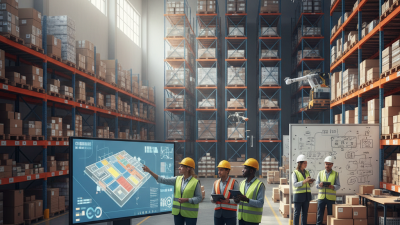
In addition, data analytics is transforming warehouse operations. Real-time data helps managers make informed decisions. By tracking inventory flow, companies can reduce waste and improve order fulfillment rates. Yet, integrating such systems can be complex, often requiring a cultural shift within organizations. As firms adopt these technologies, they must consider the impact on their workforce.
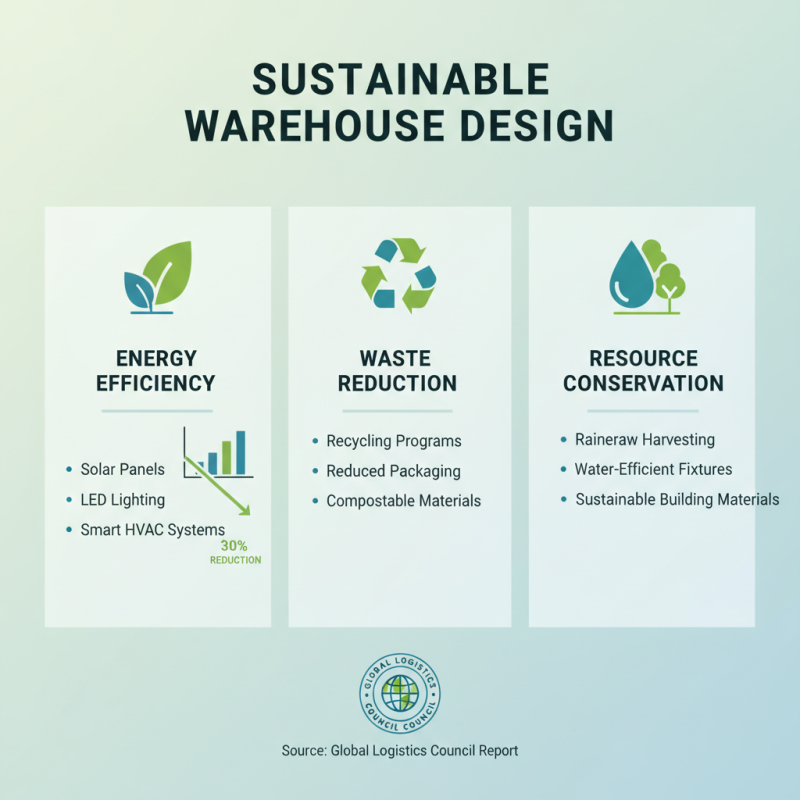
Sustainability is also a growing concern in warehouse design. Eco-friendly materials and energy-efficient systems are becoming vital. Biodegradable pallet options are on the rise. Nonetheless, the challenge lies in balancing sustainability with cost-effectiveness. Organizations must confront difficult questions about initial investment versus long-term benefits. The road ahead is complex, but the potential is immense.
The Role of Automation in Enhancing Warehouse Efficiency
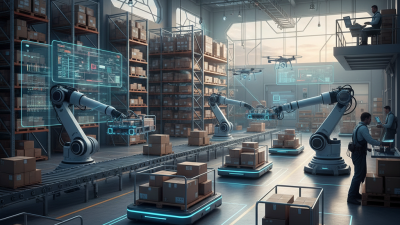
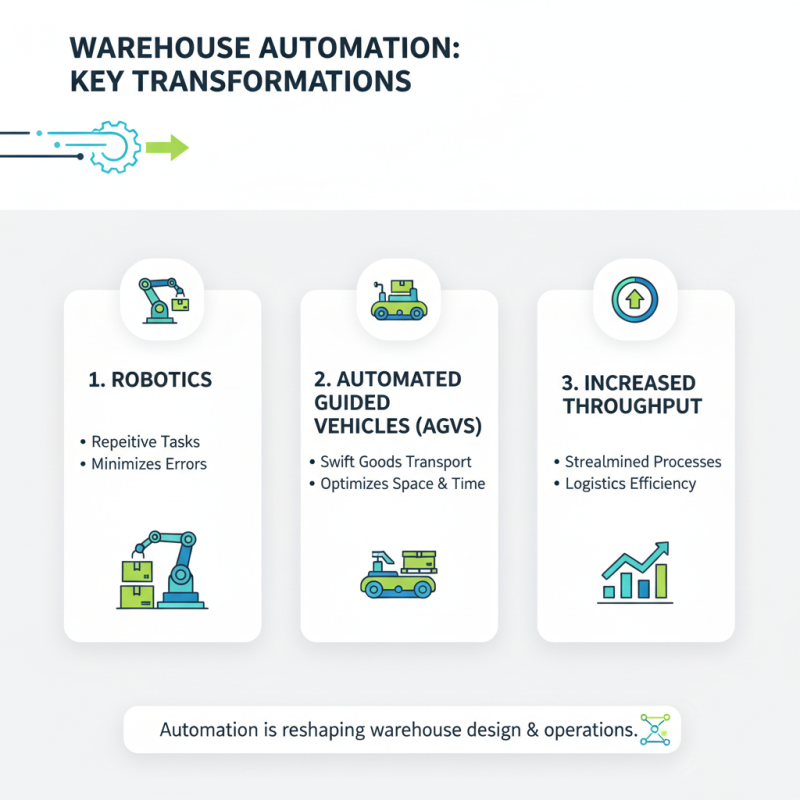
Automation is transforming warehouse design and operations significantly. These innovations streamline processes. Robotics handle repetitive tasks efficiently, minimizing errors. Automated guided vehicles transport goods swiftly, optimizing space and time. This leads to increased throughput in many logistics environments.
However, the integration of automation isn't without challenges. Workers may feel threatened by job security. Training is essential for staff to adapt. Balancing human oversight with automated systems is crucial. Not all tasks can be automated effectively, requiring careful planning.
Data analytics plays a vital role in enhancing efficiency. It provides insights into inventory management and workflow. Yet, too much reliance on data can lead to overlooks. Choosing the right automation tools requires thoughtful consideration. The future of racked warehouse design hinges on these adjustments and the evolution of technology.
Future Trends in Space Optimization and Inventory Management
As warehouse operations evolve, the emphasis on space optimization and inventory management is more crucial than ever. Recent studies indicate that efficient space utilization can lead to a reduction in operating costs by up to 30%. This is especially vital as e-commerce continues to grow, pushing demand for quicker turnaround times. Companies are now exploring multi-level racking systems. These systems can significantly maximize vertical space, allowing for increased storage capacity without expanding the warehouse footprint.
Furthermore, advanced inventory management technologies are transforming warehouse design. Automated systems, like RFID tracking and real-time data analytics, can enhance accuracy in inventory counts. According to industry reports, organizations implementing such technologies see up to a 50% decrease in errors. However, integration poses challenges. Older systems may require updates, which can be costly and time-consuming. Reflections on these transitions reveal a need for careful planning and adequate training for staff, ensuring that innovations do not disrupt existing workflows.
As we look to the future, flexibility in design becomes paramount. Modular shelving allows for quick adjustments based on fluctuating inventory levels. This adaptability is essential in a fast-paced market. However, too much emphasis on change can lead to confusion if not managed correctly. Balancing innovation with practicality is crucial for the success of modern racked warehouse designs.
2026 Top Trends in Racked Warehouse Design and Innovation
Impact of E-commerce Growth on Warehouse Design Innovations
The surge in e-commerce has dramatically reshaped warehouse design. With increasing online orders, the need for efficiency is crucial. Modern warehouses now prioritize accessibility and speed. Space is optimized for quick retrieval. Automated systems, like robotics, are becoming commonplace. These innovations enhance labor productivity but also raise questions about job displacement.
Designing for e-commerce means considering the entire supply chain. Packaging and layout must adapt to various products. Inadequate space can hinder operations. Many warehouses have narrow aisles that complicate movement. Flexibility in design is vital to accommodate changing inventory needs. Sometimes, the technology fails to integrate seamlessly, requiring constant adjustments.
Sustainability is another concern. Green solutions are gaining traction but not universally adopted. Systems that recycle materials can reduce waste, yet implementation can be costly. Companies often struggle with balancing cost and innovation. This tension leads to a lack of clear next steps. As the industry evolves, these challenges will require thoughtful reflection from warehouse designers.
2026 Top Trends in Racked Warehouse Design and Innovation - Impact of E-commerce Growth on Warehouse Design Innovations
| Trend |
Description |
Impact on Warehouse Design |
Expected Growth (%) |
| Automated Storage Systems |
Integration of automated systems to increase efficiency and reduce labor costs. |
Reduces manual handling, enhances space utilization. |
25% |
| Sustainable Materials |
Use of eco-friendly materials in warehouse construction and racking systems. |
Decreases environmental impact, enhances company image. |
15% |
| Flexible Warehouse Layouts |
Designs that allow for quick reconfiguration to meet changing demands. |
Improves responsiveness to inventory needs, reduces downtime. |
20% |
| Smart Technology Integration |
Use of IoT and AI to automate and optimize warehouse processes. |
Enhances operational efficiency and accuracy. |
30% |
| Robotics and Drones |
Deployment of robots and drones for picking and inventory management. |
Increases picking speed and accuracy, decreases labor costs. |
40% |

 +8618862309186
 CONTACT NUMBER
 CONTACT NUMBER
 CONTACT NUMBER