Top 10 Benefits of Central Cold Storage for Your Business
In the ever-evolving landscape of modern business, efficient storage solutions have become pivotal to operational success. Central Cold Storage emerges as a game changer, offering a reliable method for businesses to manage temperature-sensitive inventory. According to industry expert Dr. Emily Fisher, a renowned consultant in the logistics of perishables, "Investing in Central Cold Storage not only optimizes supply chain efficiency but also enhances product quality and safety." This statement underscores the importance of maintaining the integrity of goods, particularly for businesses dealing in perishable products such as food and pharmaceuticals.
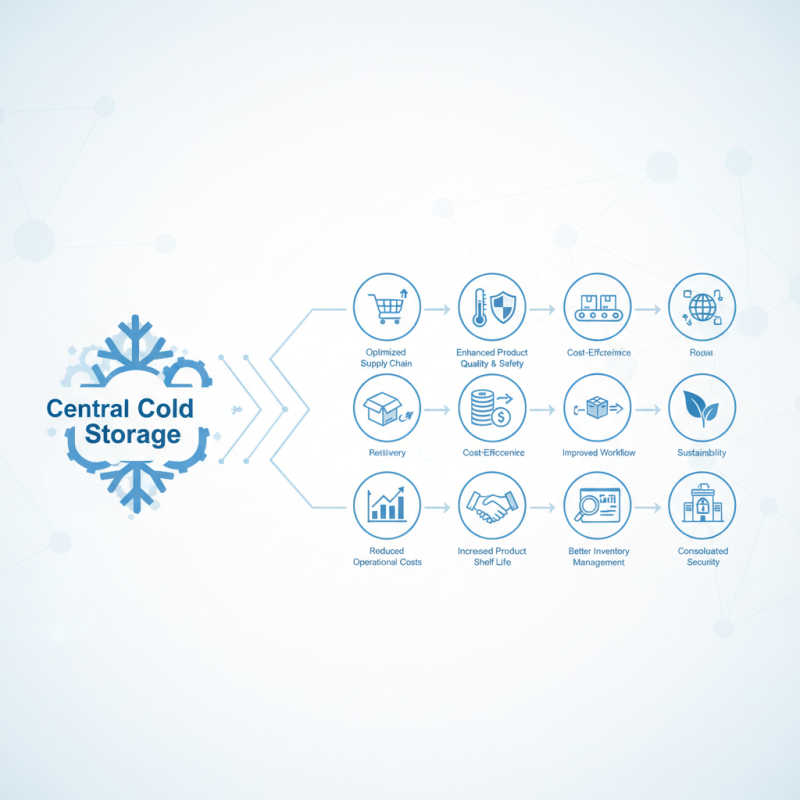
The advantages of Central Cold Storage are multifaceted, extending beyond mere temperature control to encompass improved workflow, cost-effectiveness, and sustainability. By consolidating storage facilities, businesses can streamline their operations, reduce transportation costs, and ultimately deliver higher-quality products to consumers. As we delve into the top ten benefits of Central Cold Storage, it becomes evident that this innovative approach is more than a logistical solution; it is a strategic asset that can significantly impact a company’s bottom line and reputation in a competitive marketplace.
Benefits of Central Cold Storage for Inventory Management Optimization
Central cold storage systems present significant advantages for inventory management optimization. By consolidating inventory in a centralized location, businesses can ensure that all products are stored under optimal conditions, maintaining quality and extending shelf life. This centralization enables better inventory tracking, allowing for real-time updates on stock levels and reducing the risk of overstocking or stockouts. Enhanced visibility into inventory helps businesses make informed decisions, ultimately improving operational efficiency and reducing waste.
Moreover, central cold storage facilities streamline the distribution process. With all products stored in one location, businesses can optimize their logistics, reducing transportation costs and time. This efficiency not only enhances the speed of delivery to customers but also supports effective demand forecasting. By analyzing data from a centralized system, companies can adjust their inventory levels based on seasonal trends and customer preferences, ensuring that they meet market demands without the excess inventory burden. This strategic approach to inventory management fosters greater flexibility and responsiveness in a competitive marketplace.
Cost Efficiency through Centralized Cold Storage Solutions
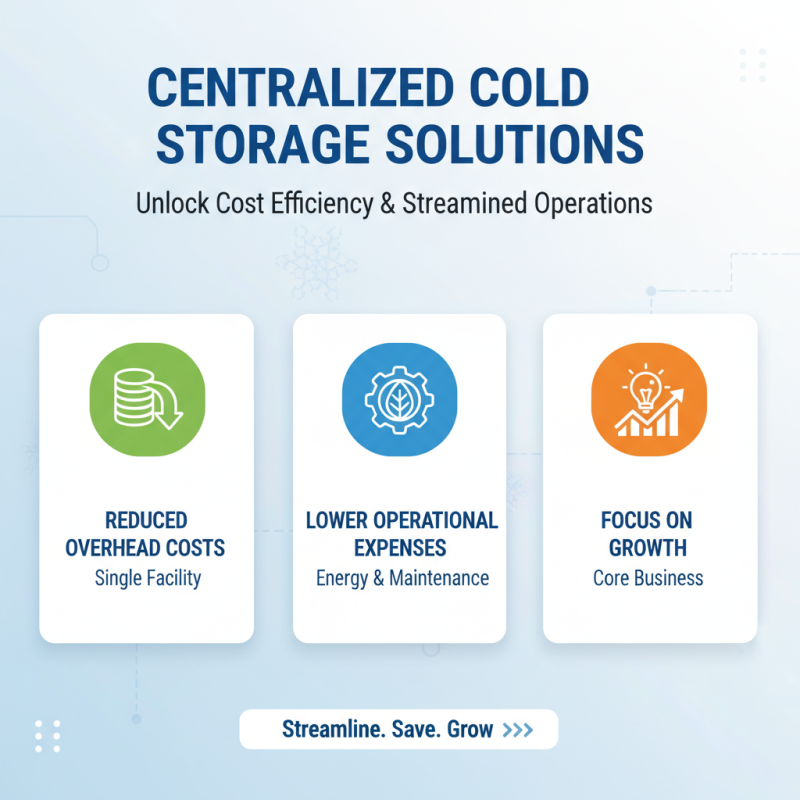
Centralized cold storage solutions provide significant cost efficiency for businesses looking to streamline their operations. By investing in a single warehouse designed for optimal temperature control, businesses can reduce overhead expenses that typically arise from maintaining multiple storage facilities. This transition not only minimizes energy consumption but also lowers operational costs associated with equipment maintenance and staffing. As a result, companies can allocate resources more effectively, focusing on core operations and business growth.
Tips: When considering centralized cold storage, conduct a thorough assessment of your current storage needs. This includes analyzing your inventory turnover rate and the specific temperature requirements of your products. By understanding these factors, you can better gauge the potential cost savings and efficiency improvements that centralized solutions can offer.
Additionally, leveraging technology in your cold storage facility can further enhance cost efficiency. Implementing automated inventory management systems can reduce waste, ensure optimal stock levels, and streamline supply chain operations. Investing in smart technology not only preserves the quality of stored goods but also contributes to long-term savings by reducing spoilage and improving decision-making processes in inventory management.
Enhanced Product Quality and Safety in Cold Storage Facilities
In today’s competitive market, the significance of enhanced product quality and safety in cold storage facilities cannot be overstated. According to a report by the Global Cold Chain Alliance, nearly 70% of perishables are lost during transit, largely due to inadequate temperature control. Central cold storage systems have emerged as an effective solution, ensuring optimal temperature management to preserve the freshness and safety of products. These facilities provide a controlled environment that minimizes degradation, extending the shelf life of goods such as food and pharmaceuticals, which are particularly sensitive to temperature fluctuations.
Moreover, a study from the Food and Agriculture Organization highlights that proper cold storage not only reduces spoilage rates but also helps maintain nutritional value. For instance, storing fruits and vegetables at the correct temperatures can prevent loss of vitamins and minerals, pivotal for consumer health. This quality assurance is increasingly becoming a selling point for businesses, as consumers are more informed and concerned about the safety and quality of their purchases. By investing in central cold storage, businesses can leverage these benefits, ensuring that they deliver safe, high-quality products while minimizing waste and operational costs, ultimately enhancing their reputation in the marketplace.
Top 10 Benefits of Central Cold Storage for Your Business - Enhanced Product Quality and Safety in Cold Storage Facilities
| Benefit |
Description |
Impact on Business |
| Improved Product Quality |
Maintains optimal storage conditions for perishable goods. |
Increases customer satisfaction and reduces waste. |
| Enhanced Safety Standards |
Ensures compliance with food safety regulations. |
Reduces liability and enhances brand reputation. |
| Cost Efficiency |
Consolidates storage operations for lower overhead costs. |
Improves overall profitability. |
| Reduced Risk of Spoilage |
Optimizes temperature control to minimize waste. |
Maximizes the lifespan of products. |
| Streamlined Logistics |
Centralized location for easy distribution and inventory management. |
Enhances efficiency in supply chain operations. |
| Scalability |
Easily accommodates growing quantities of goods. |
Allows business expansion without significant re-investment. |
| Increased Shelf Life |
Proper storage extends the life of products. |
Fosters better inventory management and sales opportunities. |
| Enhanced Traceability |
Improved record-keeping for tracking inventory movements. |
Provides data crucial for auditing and safety compliance. |
| Better Resource Management |
Centralizing cold storage simplifies resource allocation. |
Optimizes labor and equipment usage. |
| Sustainability |
Modern cold storage solutions are more energy-efficient. |
Supports eco-friendly practices and reduces carbon footprint. |
Streamlined Logistics and Distribution Processes with Central Cold Storage
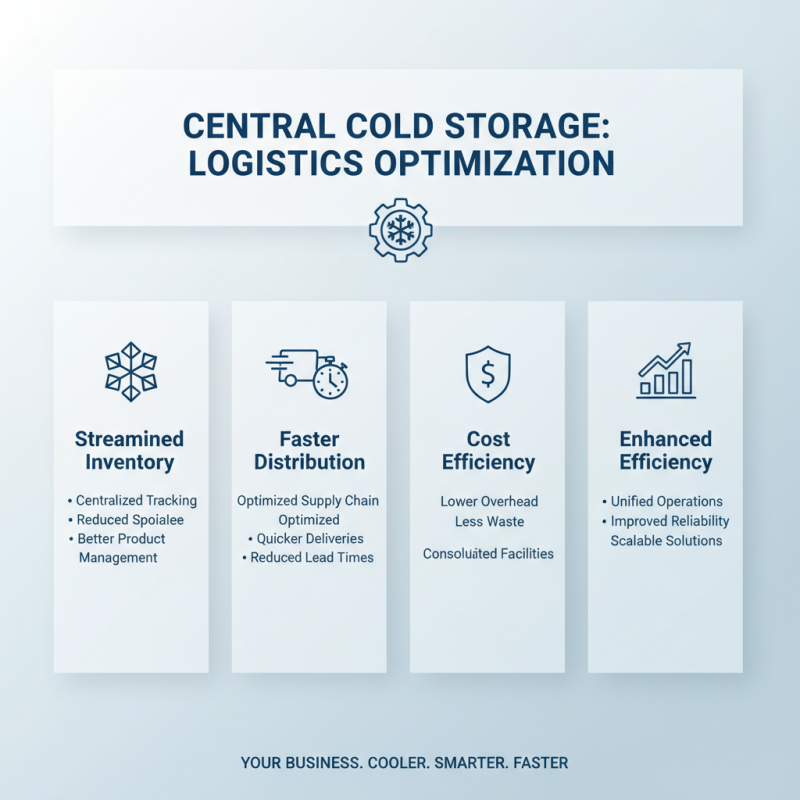
Central cold storage plays a critical role in enhancing logistics and distribution processes for businesses, particularly in industries that require temperature-controlled environments. By consolidating storage into a central facility, companies can optimize their supply chains, reducing the time and cost associated with managing multiple storage sites. This centralization allows for streamlined inventory management, enabling businesses to better track their products and minimize wastage from spoilage, ultimately enhancing operational efficiency.
Moreover, central cold storage facilitates improved distribution routes and scheduling. With a single point of storage, businesses can plan deliveries more effectively, reducing transit times and ensuring products reach their intended destinations in peak condition. This not only enhances customer satisfaction but also contributes to greater overall productivity, allowing businesses to respond swiftly to market demands. By prioritizing logistics excellence through central cold storage, companies can secure a competitive advantage in an increasingly fast-paced market.
Scalability and Flexibility of Central Cold Storage for Growing Businesses
Central cold storage offers significant scalability and flexibility for businesses aiming to expand their operations efficiently. According to a report by Grand View Research, the global cold storage market is projected to reach USD 477.9 billion by 2025, underscoring the growing demand for customizable storage solutions. As businesses evolve, central cold storage allows them to adjust their logistics and inventory levels without the need for significant capital investment in physical infrastructure.
For growing businesses, the shift to central cold storage can facilitate a streamlined supply chain. It offers the ability to scale operations up or down based on seasonal demand. Data from the International Cold Chain Conference reveals that companies utilizing central cold storage can reduce their inventory holding costs by up to 20% while simultaneously improving delivery times. This flexibility ensures that businesses can respond rapidly to market trends and consumer demands, ultimately enhancing their competitiveness.
Tips: To maximize the benefits of central cold storage, consider implementing a robust inventory management system. This system can provide real-time data analytics, helping you forecast demand accurately. Additionally, establish strong relationships with cold storage providers to negotiate scalable terms, ensuring you can expand or contract your storage capacity as needed without compromising service quality. Investing in employee training on cold chain logistics can also enhance operational efficiency, contributing to a smoother scaling process.

 +8618862309186
 CONTACT NUMBER
 CONTACT NUMBER
 CONTACT NUMBER