Leave Your Message

10 Best Warehouse Guidelines for Efficient Operations and Safety Tips?

In the fast-evolving world of logistics, adhering to proper Warehouse Guidelines is crucial for operational efficiency and employee safety. According to a recent industry report by the Warehouse Management Association (WMA), nearly 40% of warehouse accidents arise from a lack of adherence to safety protocols. As warehouses face increasing demands, it is essential to implement best practices that can significantly reduce risks and enhance overall productivity.

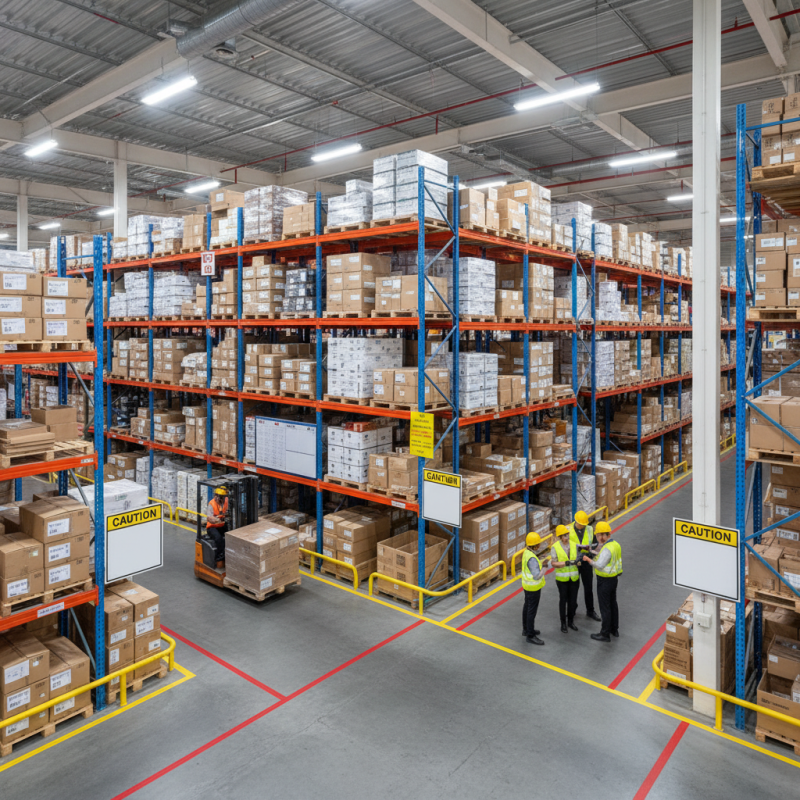
Expert Lisa Johnson, a leading consultant in warehouse operations, stated, “Effective Warehouse Guidelines are a cornerstone for a safe and productive environment.” Her insights emphasize the importance of training staff and maintaining clear procedures. Simple measures, like clear aisle markings and regular safety audits, can make a significant difference. However, many facilities still overlook these basics, leading to avoidable accidents and inefficiencies.

Reflecting on existing practices, there is a pressing need for continuous improvement. For instance, while many warehouses conduct safety training, the frequency and quality can often fall short. Such lapses in compliance not only endanger employees but also impact operational throughput. By committing to robust Warehouse Guidelines, businesses can foster a safer and more efficient work environment.
10 Best Warehouse Guidelines for Efficient Operations and Safety Tips?

Best Practices for Organizing Warehouse Layout for Efficiency

10 Best Warehouse Guidelines for Efficient Operations and Safety Tips?

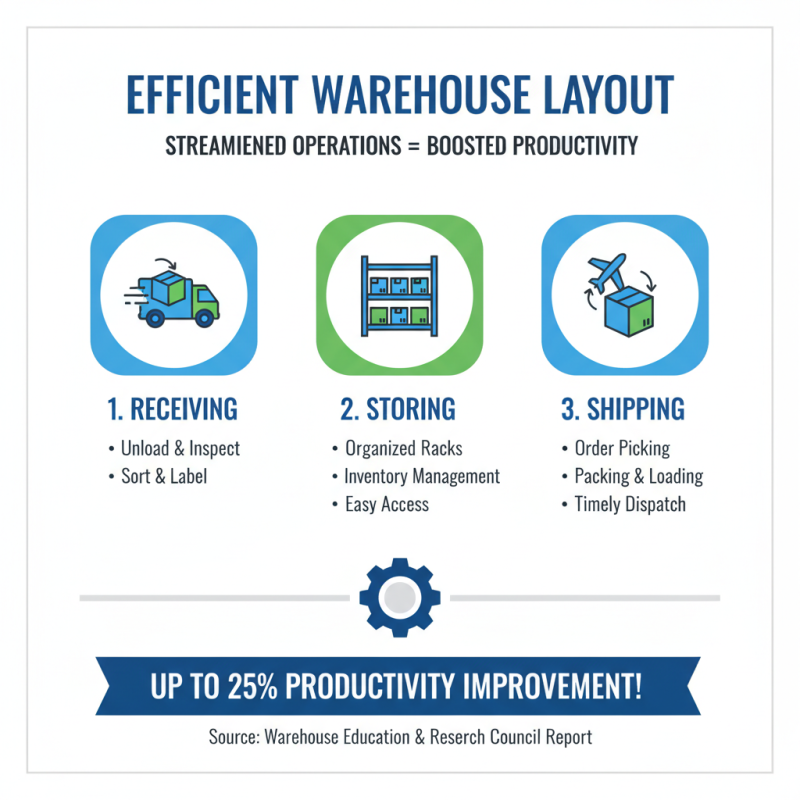
Efficient warehouse layout is crucial for streamlined operations. According to a report from the Warehouse Education and Research Council, the right design can improve productivity by up to 25%. Creating designated areas for receiving, storing, and shipping items reduces clutter. This makes it easier for employees to find what they need without wasting time.

Incorporating vertical storage can maximize space. Utilizing high shelving units can free up floor areas for other uses. However, safety must not be compromised. Regularly assess shelving stability and ensure proper weight distribution. The National Institute for Occupational Safety and Health highlights that improper storage can lead to accidents or injuries.

While it’s important to facilitate movement, over-optimizing can have drawbacks. Too many paths can confuse workers. Consider the flow of operations and adjust layout accordingly. This reflective approach is vital. Balancing efficiency and safety is a continuous process requiring regular evaluations.


Essential Safety Equipment Every Warehouse Should Have on Hand

10 Best Warehouse Guidelines for Efficient Operations and Safety Tips?

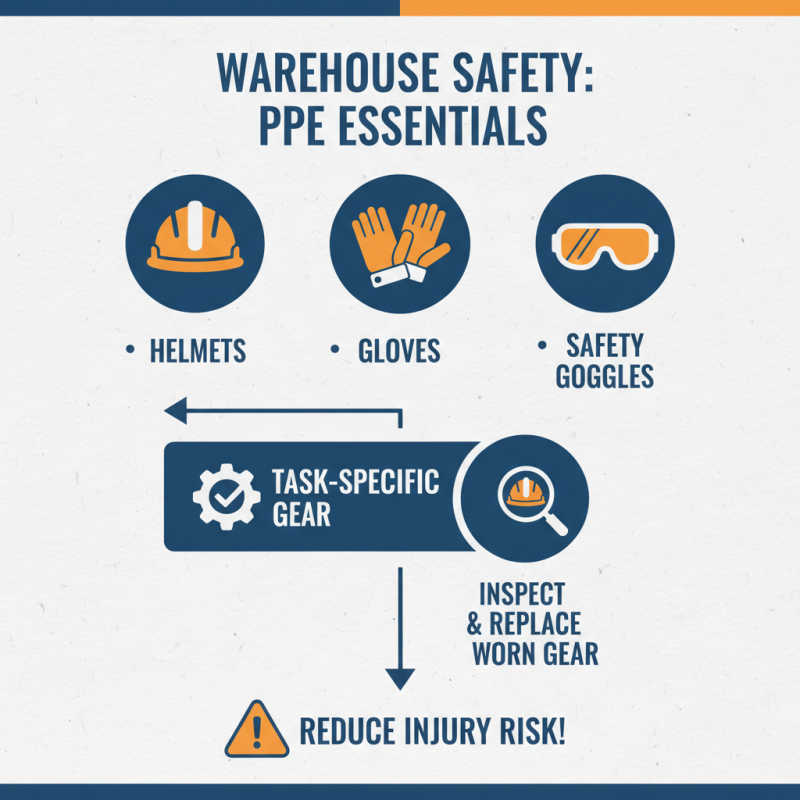
In a busy warehouse, having the right safety equipment is crucial. Every employee should have access to personal protective equipment (PPE) like helmets, gloves, and safety goggles. These items reduce injury risks during operations. Ensure the PPE is appropriate for specific tasks. Regularly inspect and replace worn-out gear. This point is often overlooked, but neglecting it can lead to accidents.

Fire safety is another vital aspect. Equip the warehouse with fire extinguishers and smoke detectors. Ensure they are easily accessible and in good working condition. Routine checks help avoid malfunctioning equipment during emergencies. A clear emergency exit plan is essential, but it’s often poorly communicated to staff. Regular training on evacuation procedures is necessary.

Additionally, first-aid kits should be stocked and available. They must contain essentials like band-aids, antiseptics, and basic tools. Keep the kits in known locations. However, many warehouses neglect this, leading to delays in emergency responses. A proactive approach can mitigate potential injuries. Regular training sessions can make staff more prepared for unexpected incidents. These steps create a safer and more efficient working environment.

Effective Inventory Management Techniques for Streamlined Operations

Effective inventory management is crucial for smooth warehouse operations. It streamlines processes and enhances productivity. One useful technique is to implement a barcode system. This allows for quicker tracking of items. In the past, manual tracking caused delays and errors. Automation helps to minimize these issues. Regular audits are also important. They reveal discrepancies and prevent overstocking or stockouts.

Another key practice is categorizing inventory by demand. Group fast-moving items together for easier access. This reduces retrieval time. Slow-moving items can be stored further away. It helps in optimizing space. However, it’s easy to overlook seasonal variations in demand. This can lead to excess inventory during off-peak times.

Training staff regularly boosts efficiency. Many employees are unsure of best practices. Proper training helps them understand inventory management systems. Mistakes can be costly, affecting overall operations. Regular feedback sessions can be beneficial. They can highlight areas for improvement and encourage open communication. Balancing efficiency and safety is an ongoing challenge that requires continual reflection.

Training Staff on Safety Protocols and Emergency Procedures

Training staff effectively on safety protocols and emergency procedures is crucial in a warehouse environment. Each employee must understand the risks associated with their specific tasks. Safety sessions should be comprehensive yet engaging. Use real-life scenarios to illustrate potential hazards. This method makes the training relatable and memorable. Workers often remember experiences better than policies.

Frequent drills are vital. Regularly practicing emergency procedures ensures that everyone knows what to do in case of an incident. Creating simulated situations can expose gaps in understanding. These drills highlight areas for improvement. Take note of employees who struggle or seem unaware. Adjust training methods as needed to address any shortcomings.

Visual aids can enhance understanding. Charts or posters can serve as reminders of safety measures. They should be placed in high-traffic areas. Still, it's important to evaluate their effectiveness. Ask staff for feedback on how to improve safety training. Striving for continuous improvement can empower employees and foster a safer workplace culture.

10 Best Warehouse Guidelines for Efficient Operations and Safety Tips

Guideline Description Safety Tips
Regular Training Ensure staff receive ongoing training about warehouse operations. Conduct periodic safety drills.
Ergonomic Practices Implement ergonomic practices to prevent injuries. Provide training on proper lifting techniques.
Clear Markings Use clear markings for pathways and hazardous areas. Ensure all signs are visible and well-lit.
Personal Protective Equipment (PPE) Require staff to wear appropriate PPE at all times. Regularly inspect and replace damaged PPE.
Proper Equipment Use Train staff on the correct use of warehouse equipment. Regularly maintain and inspect equipment.
Emergency Procedures Establish clear emergency procedures for all scenarios. Conduct emergency procedure drills.
Daily Inspections Perform daily inspections of the warehouse environment. Document any hazards or issues found.
Incident Reporting Create a system for reporting safety incidents. Encourage a culture of transparency and reporting.
Forklift Training Train operators in safe forklift operation. Ensure operators are certified and tested.
Clear Communication Promote clear communication among all staff members. Use radios or other communication tools effectively.

Regular Maintenance Checks for Equipment to Ensure Safe Operations

Regular maintenance checks for warehouse equipment are crucial for safety. Inspecting forklifts, conveyor belts, and shelving units can prevent accidents. Create a checklist with specific tasks for each piece of equipment. This helps ensure nothing gets overlooked. A small issue can escalate quickly if ignored.

Encourage staff to report any concerns promptly. A culture of open communication fosters safety. Schedule regular inspections, ideally weekly or monthly. Keep records of these checks to identify recurring problems. This can lead to better decision-making regarding repairs or replacements.

Visual aids can enhance the maintenance process. Use color-coded tags to indicate the status of equipment. This simple system can save time during inspections. Be mindful that not all personnel may adhere to guidelines. Continuous training can address gaps in understanding. It's important to foster accountability and responsibility.

Regular Maintenance Checks for Equipment to Ensure Safe Operations