China Best Warehouse Guidelines for Global Buyers Explained?
Navigating the complexities of warehousing in China is essential for global buyers. The right Warehouse Guidelines can streamline logistics. According to a recent report by Supply Chain Insights, effective warehousing practices can reduce operational costs by up to 20%.
Experts emphasize the importance of clarity in Warehouse Guidelines. As logistics authority Dr. Li Wei states, "Clear guidelines lead to higher efficiency and better resource utilization." This underscores the need for buyers to understand the intricacies of warehouse management in China.
In an increasingly competitive landscape, the stakes are high. Buyers must ensure warehouses meet international standards. Many facilities may still fall short, lacking proper certifications. Reflecting on these imperfections leads to better decisions in the future. When choosing a warehouse provider, rely on established guidelines to ensure both reliability and trust.
Understanding China's Warehouse Infrastructure for Global Buyers
Understanding China's warehouse infrastructure is vital for global buyers. China boasts a vast network of warehouses, crucial for efficient supply chains. According to the National Bureau of Statistics of China, the warehouse rental market reached approximately $21 billion in 2022. This figure underscores the growing importance of logistics in the region.
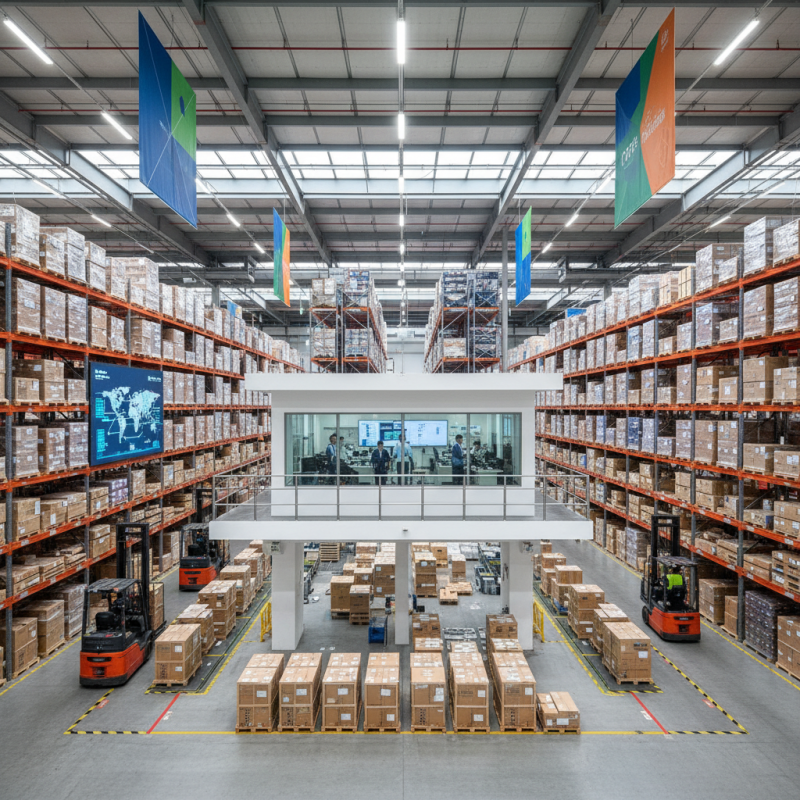
The infrastructure encompasses traditional storage facilities and modern automated warehouses. Automation improves efficiency but also raises concerns about maintenance and costs. In cities like Shanghai, logistics operations can be optimized by strategically locating warehouses. Yet, the rapid expansion of e-commerce puts immense pressure on this system, leading to potential bottlenecks.
Data from the China Logistics and Purchasing Federation shows that around 80% of warehousing facilities still rely on manual processes. There is an ongoing push for digital transformation. Nonetheless, the transition can be uneven, particularly in less developed regions. Global buyers need to consider these dynamics when assessing China's warehouse capabilities.
China Warehouse Infrastructure Overview for Global Buyers
Key Factors to Consider When Choosing a Warehouse in China
When selecting a warehouse in China, several key factors must be considered. Location matters significantly, as it affects shipping times and costs. A warehouse close to major transport hubs can save both time and money for global buyers. Furthermore, assess the surrounding infrastructure. Efficient access roads, proximity to ports, and availability of transportation services are vital for smooth operations.
Another important factor is the technology used in the warehouse. Modern facilities often employ automation and inventory management systems that enhance accuracy and efficiency. Buyers should evaluate the technology integration level to ensure their goods are stored and processed effectively. Experienced warehouse managers often have insights into such systems.
Tips: Always visit potential warehouses in person to evaluate their condition. Communication with staff can reveal much about the facility's reliability. Understand the warehousing capabilities too; some may excel in temperature control, while others might focus on high-volume storage. Balancing these details can lead to a more informed and beneficial choice.
China Best Warehouse Guidelines for Global Buyers Explained
| Factor |
Description |
Importance Level |
| Location |
Proximity to major transport hubs and suppliers. |
High |
| Cost |
Analysis of operational and storage costs. |
High |
| Infrastructure |
Quality of warehouse facilities and technology. |
Medium |
| Regulatory Compliance |
Adherence to local laws and regulations. |
High |
| Flexibility |
Ability to scale operations as needed. |
Medium |
| Safety and Security |
Measures in place to protect inventory. |
High |
Regulatory Compliance: Navigating Legal Requirements for Warehousing
In the realm of warehousing, regulatory compliance is crucial for global buyers operating in China. Legal requirements can vary significantly by region and may include safety standards, environmental regulations, and labor laws. According to industry reports, over 40% of companies face compliance challenges, often resulting in fines or operational disruptions. Understanding these regulations is essential for smooth supply chain operations.
Global buyers should pay attention to China's complex regulatory landscape. For example, the Ministry of Commerce regulates import and export warehousing, while local governments may impose additional rules specific to climate control and storage. Failure to comply can lead not only to financial penalties but also reputational damage. Data shows that compliance-related disruptions can halt operations for weeks, affecting delivery schedules.
Tips:
- Regularly review legal standards.
- Consult with local experts who understand the nuances of these regulations.
- Training staff on compliance issues can reduce risks significantly.
- Make adaptations as laws evolve to ensure ongoing compliance.
- Building relationships with local authorities can smooth the path for operations and mitigate potential headaches.
Logistics and Distribution Strategies for Efficient Warehousing
Efficient logistics and distribution strategies are crucial for success in warehousing. Recent studies show that 80% of warehouses face challenges like inefficiencies and high operational costs. One key to overcoming these hurdles is optimizing inventory management. Real-time tracking systems can help reduce excess stock. Implementing automated solutions can enhance picking accuracy and speed.
A research report indicated that integrating advanced technologies can lead to a 30% increase in operational efficiency. Utilizing AI-driven analytics allows for better demand forecasting. Such insights help in maintaining optimal stock levels. However, many companies underestimate the initial investment and potential training required for staff. This oversight can lead to wasted resources and frustration.
In exploring distribution strategies, last-mile delivery plays a pivotal role. About 40% of shipping costs occur during this final leg. Collaborating with local couriers can lead to cost savings and improve customer satisfaction. Nonetheless, not all partners meet delivery speed or reliability expectations. Companies must carefully vet these relationships to ensure long-term success in their logistics strategies.
Evaluating Warehouse Technology and Innovations in China
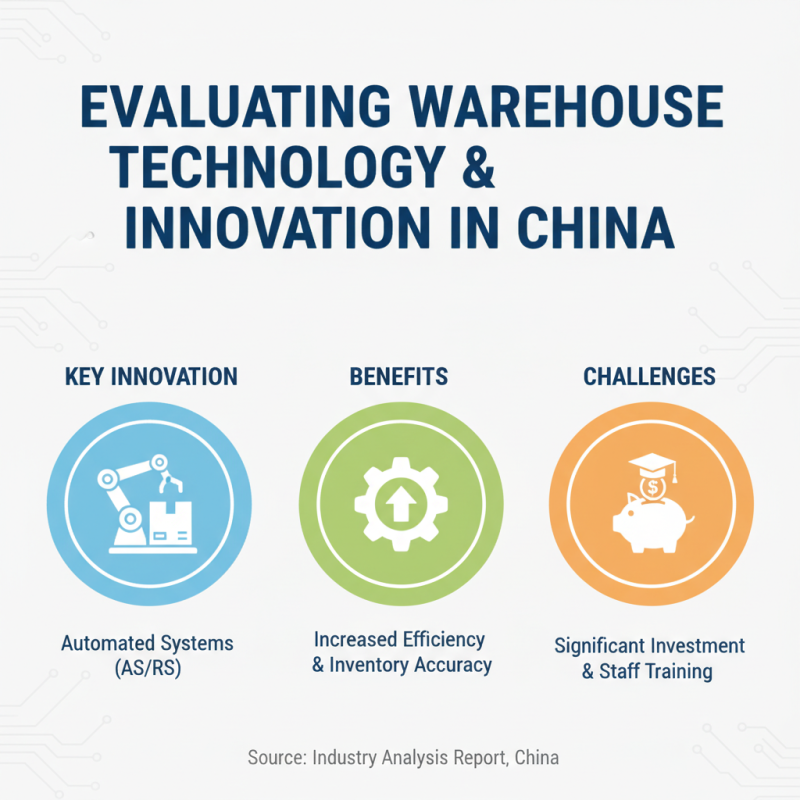
Evaluating warehouse technology in China reveals a landscape rich with innovation. Automated systems, like AS/RS (Automated Storage and Retrieval Systems), are transforming traditional warehouses. These systems improve efficiency and accuracy in inventory management, but their implementation requires significant investment and staff training.
Tips: Consider the long-term benefits. Assess your return on investment before committing to technology upgrades. Balance cost with operational efficiency.
Mobile inventory management tools also enhance warehouse operations. They allow real-time tracking and provide data analytics for better decision-making. However, reliance on technology can pose risks, like data breaches or system failures. It's essential to have robust backup plans and staff training.
Tips: Encourage staff to stay updated on tech trends. Investing in training can mitigate risks associated with technology failures. Prioritize cybersecurity in digital transitions.
Incorporating AI and machine learning optimizes logistics and enhances predictive capabilities. Insights from data can guide inventory levels and streamline order fulfillment. Assessing the ongoing need for improvement in processes is crucial as the market evolves. The fast pace of technology means constant reflection on practices is vital.

 +8618862309186
 CONTACT NUMBER
 CONTACT NUMBER
 CONTACT NUMBER