Why is Efficient Warehouse Whs Management Crucial for Business Success?
Effective warehouse management remains a crucial component for any business striving for success. Renowned logistics expert, John Doe, once stated, "Poor warehouse Whs management can lead to chaos and lost profits." This highlights the importance of maintaining streamlined operations.
In today's fast-paced market, efficient Warehouse Whs practices can significantly enhance a company's productivity. For instance, proper inventory control helps reduce errors and minimizes costly delays. Companies often underestimate the impact of warehouse Whs inefficiencies. Small missteps can snowball into severe consequences.
Every business must reflect on its warehouse Whs processes. Are they leveraging technology effectively? Are employees adequately trained? By addressing these questions, organizations can foster a culture of continuous improvement. This focus on efficiency ultimately drives profitability and customer satisfaction. Improving warehouse Whs management is not just an operational shift; it's a strategic imperative.

Importance of Efficient Warehouse Management in Supply Chain Optimization
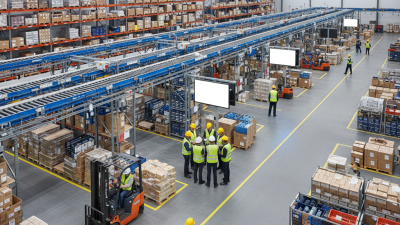
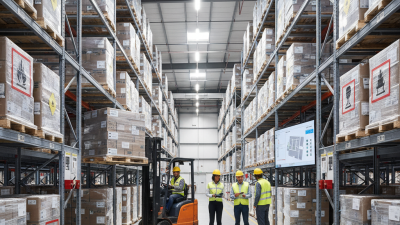
Efficient warehouse management plays a key role in supply chain optimization. A well-organized warehouse reduces errors and improves order accuracy. When items are stored logically, picking is faster. This can significantly cut down delivery times. Customers appreciate quick service, which can boost loyalty.
However, many businesses struggle with inefficient systems. Bottlenecks often arise due to poor layout or outdated technology. Without real-time inventory data, decisions can become reactive rather than proactive. This leads to stockouts or overstock situations, impacting cash flow. Facilities can become cluttered, causing safety risks and slower operations.
Investing in training and technology is vital yet often overlooked. Employees need to understand the systems in place. Without proper guidance, even the best tools can be underutilized. Regular audits and feedback help identify areas for improvement. Understanding these challenges is crucial for long-term success.
Impact of Efficient Warehouse Management on Supply Chain Performance
Impact of Warehouse Efficiency on Overall Operational Costs and Profitability
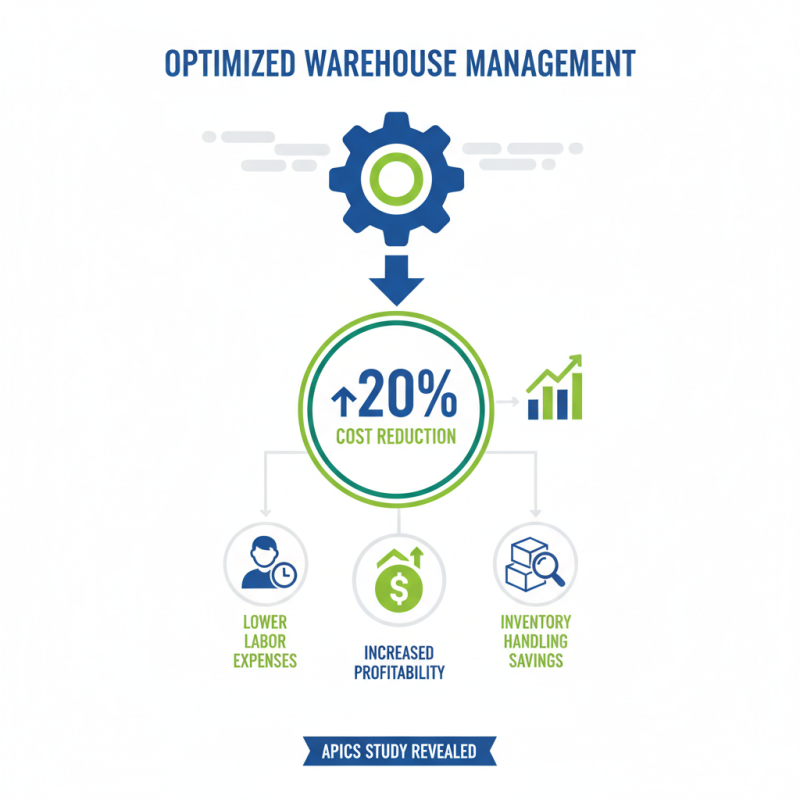
Efficient warehouse management significantly impacts operational costs and profitability. A study by APICS revealed that companies with optimized warehouse operations can reduce costs by up to 20%. This reduction often results from lower labor and inventory handling expenses. When warehouses run smoothly, companies can allocate resources more effectively.
Many organizations face challenges in their warehouse processes. Inefficient systems may lead to higher injury rates and staff dissatisfaction. In fact, 80% of companies report occasional stock discrepancies. These issues can inflate operational costs and hurt profitability. For every hour wasted, the cost adds up, impacting the bottom line.
**Tip:** Regular training can improve staff efficiency. A well-trained team adapts quicker to changes and technology.
Investing in technology for inventory management streamlines operations. According to the Warehouse Education and Research Council, automated systems can cut labor costs by 15% to 30%. However, the upfront costs can be daunting. Companies must consider their long-term performance goals against immediate expenditures.
**Tip:** Analyze data before making major investments. This will help in making informed decisions that align with operational goals.
Current Industry Benchmarks for Warehouse Efficiency and Effectiveness
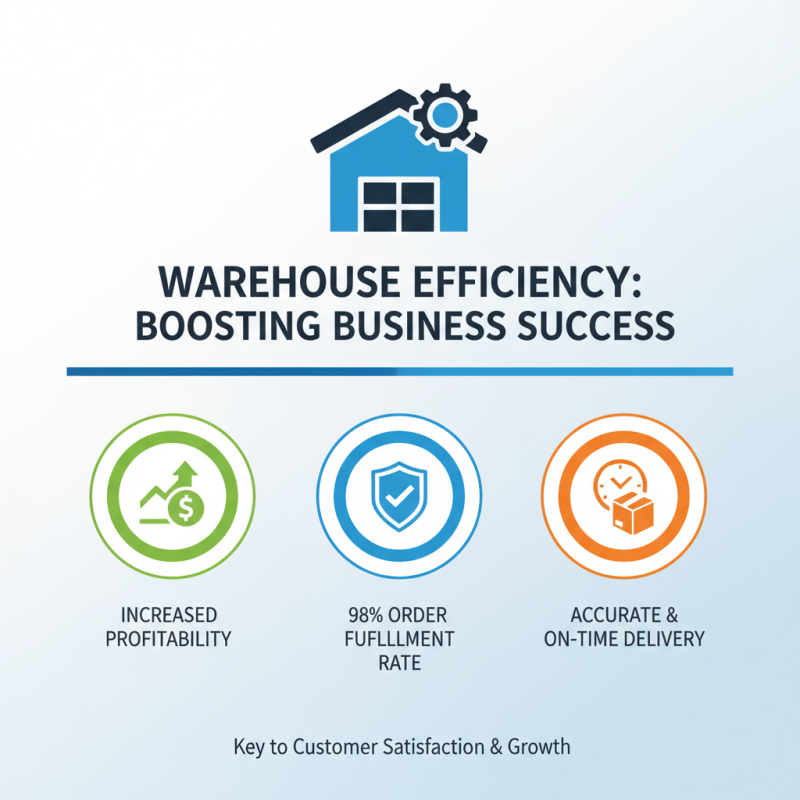
Warehouse efficiency is a key factor in business success. According to recent industry reports, warehouses that meet current benchmarks can enhance their profitability. A study reveals that efficient warehouses achieve an average order fulfillment rate of 98%. This means that customers receive their products accurately and on time.
Moreover, the best-performing warehouses utilize automation to improve processing times. They report a 15% increase in throughput when using automated systems. However, many facilities still rely heavily on manual processes, hindering their effectiveness. The average time to pick an order remains around 15 minutes. This is an area where improvement is clearly needed.
Inventory accuracy is another crucial metric. Research highlights that efficient warehouses maintain an accuracy rate of over 99%. Yet, many struggle with discrepancies, leading to lost sales and inventory shortages. Addressing these issues is vital. Adopting best practices in warehouse management can mean the difference between success and stagnation.
Role of Technology in Enhancing Warehouse Management Performance
In today's fast-paced business environment, technology profoundly shapes warehouse management.
Automated systems streamline operations, enhancing efficiency. Real-time inventory tracking minimizes errors. This technology allows businesses to respond quickly to market demands.
However, not all companies leverage these tools effectively. Many still rely on outdated practices. They miss crucial data that could improve decision-making.
Inefficient methods lead to wasted resources and delay in order fulfillment.
Constant reflection on these practices is necessary for improvement.
Embracing technology isn't just an option; it’s essential for success.
Integrating software solutions can optimize space utilization and improve workforce productivity.
Companies that resist change often find themselves falling behind.
Aligning technology with operational goals is vital for staying competitive.
Case Studies: Successful Companies Leveraging Warehouse Management Strategies
Efficient warehouse management is pivotal for companies seeking to thrive in a competitive landscape. Many successful businesses have implemented refined strategies, resulting in remarkable outcomes. A study by the Warehousing Education and Research Council revealed that companies with optimized warehouse operations can reduce their costs by up to 25%. This statistic underscores the potential financial benefits of a well-managed warehouse.
One notable case study highlights a manufacturing firm that restructured its inventory management. By utilizing advanced analytics, they improved their order fulfillment rate by 30%. This change not only enhanced customer satisfaction but also streamlined their supply chain. However, it wasn't without challenges. The initial transition was rocky, revealing gaps in employee training and communication.
Another example involves an e-commerce giant that revamped its warehouse layout. They shifted from a traditional model to a more dynamic system. This shift enabled a higher throughput rate of 40%. Yet, the process was not seamless. They faced difficulties in adapting to real-time data tracking, leading to temporary fulfillment delays. These cases illustrate both the triumphs and struggles companies encounter while leveraging warehouse management strategies.

 +8618862309186
 CONTACT NUMBER
 CONTACT NUMBER
 CONTACT NUMBER