Top 10 Tips for Improving Warehouse Operations Efficiency
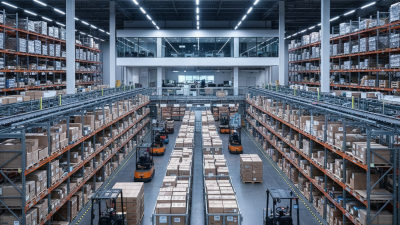
In today's fast-paced logistics environment, efficiency is paramount. Warehouse operations play a vital role in overall supply chain success. Small improvements can lead to significant gains in productivity. However, many warehouses still face challenges that hinder their performance. Common issues include outdated technology, improper inventory management, and inefficient workflow processes.
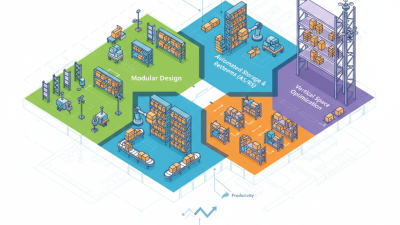
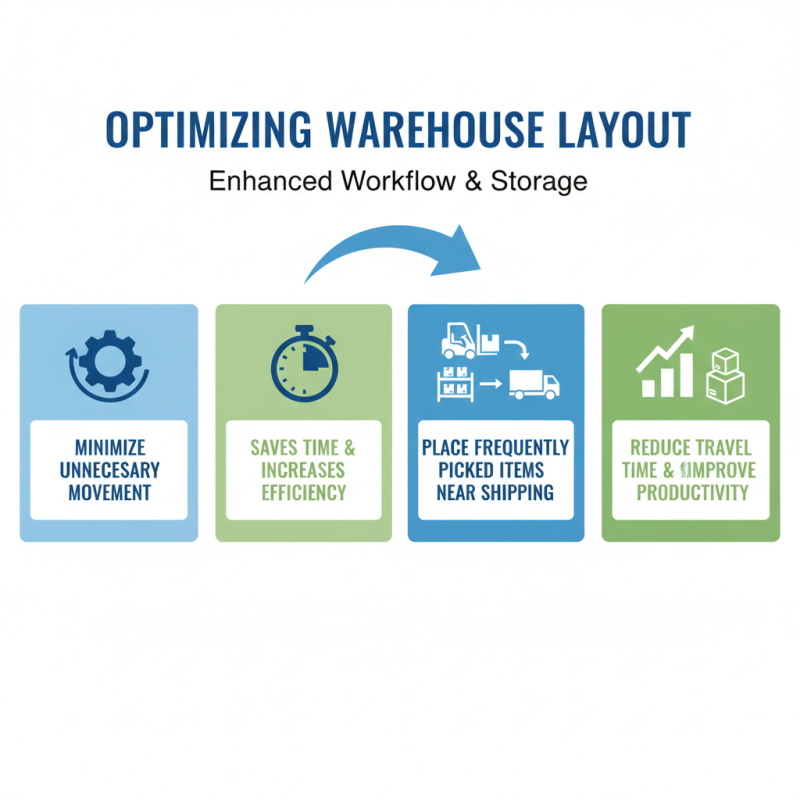
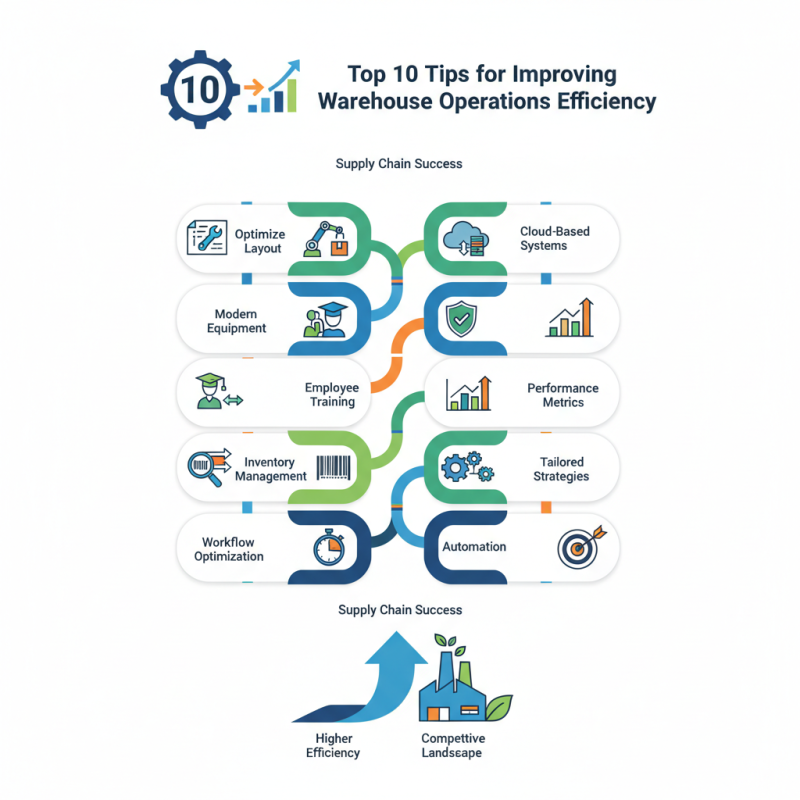
When examining warehouse operations, it’s crucial to identify key areas for enhancement. For instance, optimizing layout can drastically reduce travel time for workers. Investing in modern equipment may seem costly but can yield long-term savings. Employee training is often overlooked, yet it's essential for maximizing effectiveness.
Reflecting on these elements can help warehouse managers pinpoint flaws in their operations. Not every approach will work for every facility. Therefore, a tailored strategy will serve as a more effective path to achieving higher efficiency. With the right tips and mindset, any warehouse can thrive in today's competitive landscape.
Understanding the Importance of Warehouse Operations Efficiency
Warehouse operations efficiency is crucial. It directly impacts costs, productivity, and customer satisfaction. When efficiency improves, operations flow smoothly. This can lead to reduced delays and lower overhead costs. Simple changes can create significant improvements. Yet, many warehouses fail to recognize or act on these potential enhancements.
One common issue is the lack of proper training for staff. Employees may not fully understand their roles. This confusion can lead to mistakes and delays. Moreover, warehouse layouts often lack optimization. Poor organization can make finding items challenging. Time is wasted when workers search for products. Fixing these issues requires thoughtful planning and an open mind.
Technology is another area often neglected. Many facilities still rely on outdated systems. Using modern software can streamline processes. Yet, some warehouses resist change. They fear the investment or the learning curve. Efficiency will always lag without embracing innovation. Reflecting on these factors is the first step toward improvement.
Top 10 Tips for Improving Warehouse Operations Efficiency
Assessing Current Warehouse Processes for Improvement Opportunities
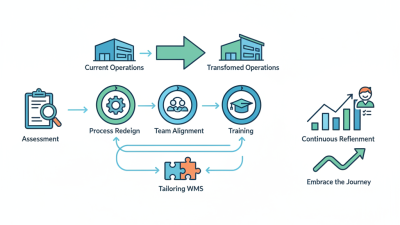
Assessing current warehouse processes is crucial for identifying improvement opportunities. Start by mapping out workflows. Document each step from receiving goods to shipping orders. This will help you visualize bottlenecks. Are there delays in picking? Are routines inefficient? Talk to your team. Their insights are invaluable.
Next, analyze inventory management. Regularly check stock levels and turnover rates. Are items often misplaced? Implement better labeling systems for easy identification. Look into how technology can assist. Automation tools can streamline processes. However, be cautious. Technology should enhance, not complicate, your operations.
Lastly, review your layout. Is the space being utilized efficiently? Can aisles be widened? Are there obstacles that slow down movement? A congested area can hinder productivity. Safety should also be a focus. Risks in the warehouse need continual assessment. Reflect on these aspects regularly for sustainable improvement.
Implementing Technology Solutions to Streamline Operations
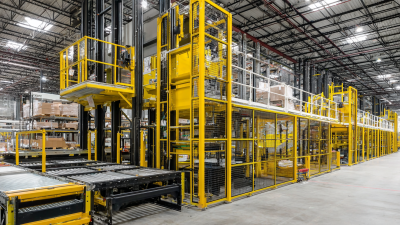
In today's fast-paced logistics landscape, technology solutions are essential for enhancing warehouse operations. A recent report by McKinsey indicates that digitizing warehouse functions can lead to productivity gains of up to 25%. Implementing automation tools, such as robotic systems for picking and sorting, can drastically reduce labor costs and address staff shortages. This efficiency is crucial as many companies face rising operational expenses.
However, not all technology implementations go smoothly. Many warehouses struggle with integrating new systems with existing workflows. A survey found that 60% of logistics managers reported challenges in technology adoption. They often encounter issues like insufficient training and resistance from staff. For example, while barcode scanning improves inventory accuracy, employees may find it cumbersome without proper training.
Real-time data analytics can vastly improve decision-making. By using cloud-based software, warehouses can track inventory levels instantly. Reports show that data-driven decisions can reduce stock discrepancies by up to 30%. Yet, some operators still rely heavily on outdated methods, leading to inefficiencies. Operational reflections are necessary to ensure a balance between technology adoption and workforce adaptability.
Training Staff for Best Practices in Warehouse Management
Training staff is crucial for enhancing warehouse operations. When employees understand best practices, efficiency improves significantly. Regular training sessions can cover fundamental skills like inventory management and safety protocols. It’s also essential to tailor training for different roles. A one-size-fits-all approach often leads to gaps in knowledge.
Consider using hands-on training methods. Role-playing scenarios can help employees grasp real-life situations. This method can also highlight areas that need improvement. For example, during a mock stock-taking exercise, an employee might overlook items. Recognizing these mistakes in a safe setting allows for better learning.
Encourage a culture of feedback. Allowing employees to voice their concerns can reveal flaws in processes. They might suggest solutions that management hasn’t considered. However, not all feedback will be perfect. Sometimes, opinions can clash or be impractical. Acknowledging these differences is part of the growth process. Balancing diverse perspectives ultimately leads to better warehouse efficiency.

 +8618862309186
 CONTACT NUMBER
 CONTACT NUMBER
 CONTACT NUMBER