How to Optimize Pallet Space for Efficient Storage Solutions in 2026?
In the evolving landscape of logistics, optimizing pallet space has become crucial for businesses in 2026. Expert Sarah Johnson, a leading authority in warehouse management, emphasizes, "Maximizing pallet space is essential for reducing costs and improving efficiency." Her insights shed light on the urgent need for innovative storage solutions.
Efficient storage relies on strategic use of pallet space. Companies are now rethinking traditional methods. For example, using adjustable racks can enhance the vertical space. This not only maximizes storage but also simplifies access. However, many businesses still struggle with organizing their inventory effectively.
Reflecting on current practices reveals both successes and challenges. While some have adopted advanced technologies, others cling to outdated systems. The gap remains. Optimizing pallet space is not just about stacking goods; it requires ongoing assessment and adaptation. Exploring new methods is vital for staying competitive.

Understanding the Importance of Optimizing Pallet Space in Warehousing
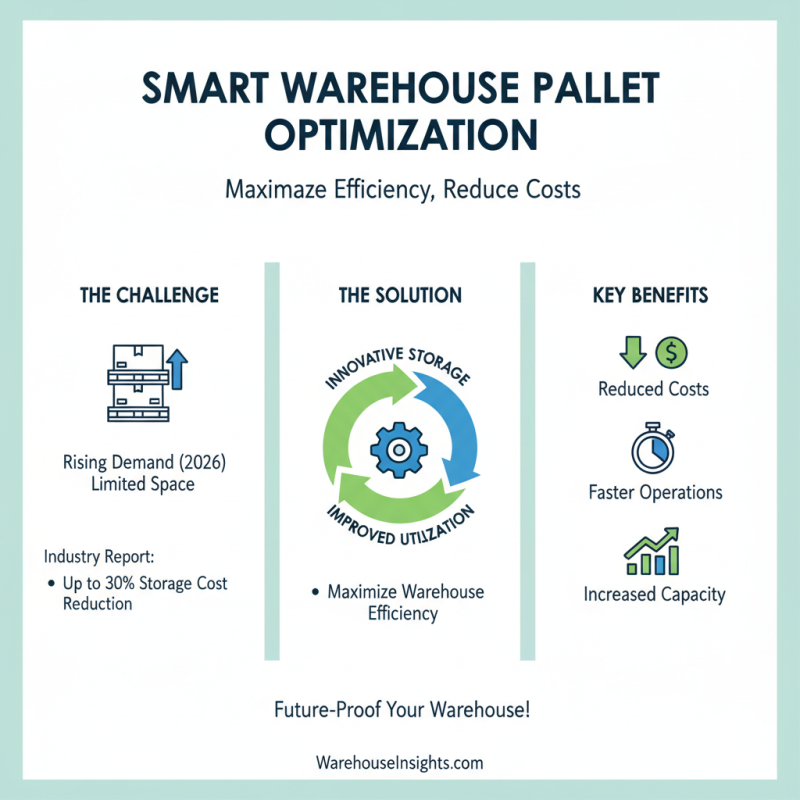
Optimizing pallet space is crucial for effective warehousing. Industry reports show that improving pallet utilization can reduce storage costs by up to 30%. In 2026, as demand for space rises, companies need to develop innovative storage solutions. Understanding the best layout for pallets can maximize warehouse efficiency.
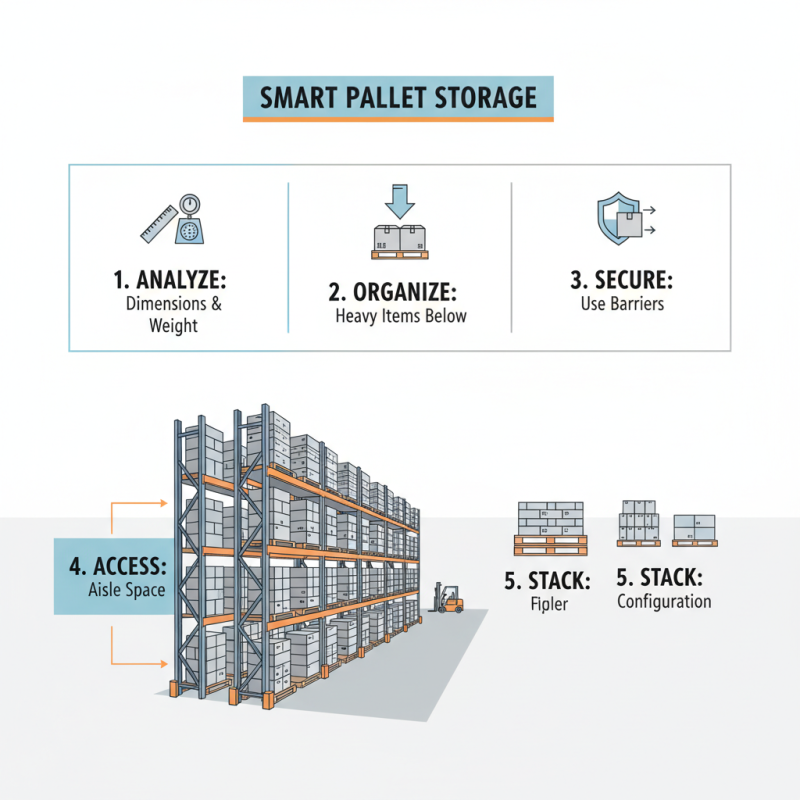
Implementing proper stacking techniques is essential. Ensure even weight distribution on pallets. Monitor heights carefully to prevent accidents. This helps in maintaining safety while enhancing space usage. It’s also vital to assess the types of inventory regularly. Some items may need more accessible storage. Balancing accessibility with efficiency can be a complex challenge.
Consider using a mix of pallet sizes. Standardized solutions may not work for every product. Analyze your inventory and adjust your strategy. Data shows that companies that adapt their pallet dimensions see a 15% increase in storage capacity. Regular audits of your pallet space are necessary. Mistakes can lead to wasted space and lost revenue. Keep evolving your approach to achieve the best results.
Key Factors to Consider for Maximizing Pallet Capacity
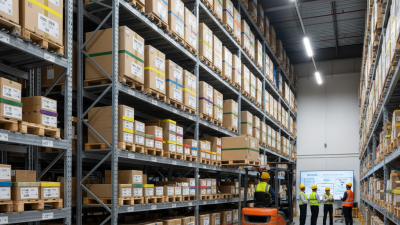
When optimizing pallet space, understanding key factors can significantly enhance your storage solutions. One crucial aspect is pallet arrangement. Arranging pallets in a consistent manner ensures efficient use of vertical space. For example, stackable pallets can double the storage area but require careful weight distribution. Managing weight correctly is often overlooked, leading to potential damage or safety hazards.
Another important consideration is selecting the right type of pallet. Different materials have varying weight capacities and sizes. This decision can affect how easily goods are loaded, transported, and stored. Sometimes, businesses assume one size fits all. Testing various pallet types based on specific inventory needs might yield surprising improvements in capacity.
Measurements play a vital role in maximizing space. Accurately measuring warehouse dimensions and aisle widths allows for better planning. A poorly designed layout may cause unnecessary bottlenecks. Consider reevaluating the existing strategies regularly. Are there areas where improvement is needed? Regular audits can highlight overlooked opportunities for better pallet space utilization. A small change can lead to significant efficiency gains.
Innovative Storage Solutions and Technologies for 2026
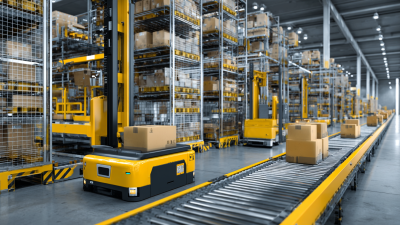
In 2026, innovative storage solutions will redefine how we optimize pallet space. Automated systems are becoming increasingly popular. These systems allow for real-time tracking of inventory. This technology enhances accuracy and reduces wasted space. However, it can be costly and requires maintenance.
Mobile shelving and dynamic storage racks are gaining traction too. These systems maximize vertical space, but they need careful planning. Poorly designed layouts can lead to inefficiency. A thorough assessment is necessary before implementation. Additionally, integrating digital tools can streamline operations. But relying too much on technology without human oversight might lead to problems.
Flexibility is essential in modern storage practices. Adapting to changing inventory needs is crucial. While some solutions promise efficiency, they may not fit every scenario. Regularly reviewing storage configurations is key to achieving the best results. Staying open to feedback and making adjustments can improve processes. In 2026, a balance between innovation and practicality will be vital.
Optimizing Pallet Space for Efficient Storage Solutions in 2026
Evaluating the Impact of Space Optimization on Supply Chain Efficiency
Efficient storage is crucial in today’s fast-paced logistics environment. Evaluating space optimization can reveal significant benefits. By maximizing pallet space, warehouses can reduce costs and improve their overall efficiency. This impacts the supply chain positively. Every inch of space optimized translates to more inventory stored.
Implementing advanced layout designs is essential. Creating zones for different products can enhance accessibility. However, this requires careful planning and continuous evaluation. Mistakes in layout can lead to confusion and slow retrieval times. Space should not just be filled; it needs to be functional.
Data-driven analysis plays a large role. Using warehouse management systems can help track space usage. This brings insights that may be overlooked. Even with improvements, there will always be room for reflection. Regularly assessing how space optimization affects operational flow is necessary. These evaluations can uncover hidden inefficiencies, ensuring the supply chain remains agile and responsive.
How to Optimize Pallet Space for Efficient Storage Solutions in 2026?
| Storage Solution |
Pallet Utilization (%) |
Cost Efficiency ($/pallet) |
Impact on Supply Chain Efficiency (%) |
Implementation Time (weeks) |
| Automated Storage and Retrieval Systems (AS/RS) |
90 |
150 |
30 |
10 |
| Mobile Shelving Systems |
85 |
120 |
25 |
8 |
| Vertical Lift Modules (VLM) |
88 |
135 |
28 |
12 |
| Drive-In Racking Systems |
80 |
110 |
22 |
6 |
| Push Back Racking |
82 |
115 |
20 |
7 |

 +8618862309186
 CONTACT NUMBER
 CONTACT NUMBER
 CONTACT NUMBER