2025 How to Optimize Rack Automation for Increased Efficiency and Productivity
In an era where efficiency and productivity are paramount, the evolution of Rack Automation is at the forefront of warehouse and logistics innovation. Experts in the field, such as Dr. Emily Chen, a noted consultant in automation technology, emphasize the vital role this technology plays in modern supply chains. "Integrating advanced Rack Automation systems not only streamlines operations but also enhances accuracy and reduces operational costs," Dr. Chen states.
As we look towards 2025, the necessity for optimizing Rack Automation systems becomes increasingly critical. The ever-growing demand for faster delivery times and higher throughput necessitates a re-evaluation of existing processes. By implementing cutting-edge technologies and methodologies, businesses can unlock new levels of efficiency, ensuring they remain competitive in a rapidly changing market landscape.
This paper will delve into various strategies for optimizing Rack Automation, focusing on innovative solutions that can transform warehouse operations. By leveraging data analytics, robotics, and artificial intelligence, organizations can achieve remarkable gains in productivity and efficiency, setting the stage for a more dynamic and responsive supply chain in the upcoming years.

Understanding the Basics of Rack Automation Technology
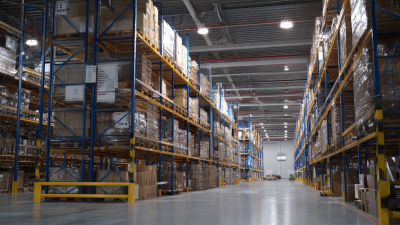
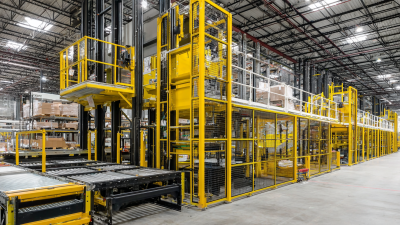
Rack automation technology has revolutionized the warehousing and logistics sectors, offering companies an opportunity to enhance efficiency and productivity. According to a recent report by the Warehousing Education and Research Council (WERC), organizations that implement rack automation can reduce order picking times by up to 30%, significantly streamlining their operations. This technology encompasses various systems, including automated storage and retrieval systems (AS/RS), which allow for high-density storage and quick access to inventory, thereby maximizing space utilization.
Additionally, a study by MarketsandMarkets predicts that the global automated warehousing market will reach $30 billion by 2026, driven largely by advancements in rack automation technology. With the integration of artificial intelligence and machine learning, these systems optimize inventory management in real time, leading to fewer errors and decreased labor costs. Automating rack operations not only boosts efficiency but also provides businesses with the agility needed to meet fluctuating consumer demands in an increasingly competitive landscape. A well-designed rack automation system can thus serve as a backbone for operational success, enabling businesses to thrive in the fast-paced logistics environment.
2025 How to Optimize Rack Automation for Increased Efficiency and Productivity
| Automation Technology |
Efficiency Improvement (%) |
Productivity Boost (%) |
Implementation Time (Months) |
ROI Period (Months) |
| Automated Storage and Retrieval Systems (ASRS) |
30% |
25% |
6 |
18 |
| Robotic Picking Systems |
40% |
35% |
8 |
12 |
| Automated Guided Vehicles (AGVs) |
25% |
30% |
5 |
15 |
| Inventory Management Software |
20% |
20% |
3 |
10 |
| Smart Shelving Units |
35% |
28% |
7 |
14 |
Identifying Key Areas for Efficiency Improvement in Rack Systems
In the realm of rack automation, identifying key areas for efficiency improvement is crucial for enhancing overall productivity. One such area is the implementation of advanced network resilience and intelligent power distribution solutions within racks. By leveraging these technologies, organizations can reduce downtime and maximize resource utilization, ensuring that system performance remains optimal even during peak operational times.
Another significant aspect to consider is data reduction techniques. Employing methods that guarantee effective data management leads to substantial storage optimization, ultimately decreasing the energy footprint of rack systems. This reduction not only aligns with sustainability goals but also contributes to cost savings, enabling businesses to invest in further technological advancements and improvements within their rack automation strategies. Focusing on these areas ensures that organizations are well-equipped to achieve higher levels of efficiency in their rack systems.

Implementing Smart Technologies for Enhanced Productivity
In today's fast-paced logistics environment, harnessing smart technologies is crucial for optimizing rack automation and boosting overall productivity. Implementing advanced solutions such as IoT-enabled systems and AI-driven analytics can significantly enhance the efficiency of warehousing operations. These technologies provide real-time insights into inventory levels and rack utilization, enabling businesses to make informed decisions and streamline processes.
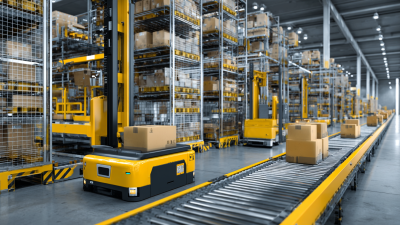
Tips for enhancing productivity through smart technologies include prioritizing real-time data collection. Ensure that your systems are equipped with sensors that continuously monitor inventory flow and rack conditions. This data can be analyzed to predict trends and automate reorder processes, thereby reducing downtime and wasted resources. Additionally, consider integrating automated guided vehicles (AGVs) to transport goods efficiently, minimizing manual handling and speeding up the fulfillment process.
Another essential tip is to invest in employee training on new technologies. Empowering your workforce with the right skills to operate smart systems can lead to smoother transitions and improved outcomes. Encourage a culture of continuous learning, where employees are motivated to explore innovative solutions and share insights on optimizing their workflows, ultimately driving productivity to new heights.
Best Practices for Integrating Rack Automation into Existing Workflows
Integrating rack automation into existing workflows requires a strategic approach to ensure seamless operation and maximum efficiency. First, it's essential to conduct a thorough analysis of current processes. By understanding the existing workflow, teams can identify bottlenecks and areas where automation can be most beneficial. Collaborating with stakeholders throughout the organization helps in gathering insights on tasks that are repetitive or time-consuming, allowing for a targeted implementation of automation solutions tailored to these specific needs.
Once the initial assessment is complete, selecting the right tools and technologies is crucial. When integrating automation, consider compatibility with existing systems and ease of use for staff. Training sessions should be conducted to familiarize employees with new technologies, ensuring they feel confident and competent in utilizing automated systems. Additionally, employing a phased approach to integration allows for adjustments to be made along the way, facilitating a smoother transition and minimizing disruptions to productivity. By adhering to these best practices, organizations can effectively incorporate rack automation into their workflows, ultimately enhancing operational efficiency and driving productivity.
Optimizing Rack Automation for Increased Efficiency and Productivity
This chart illustrates the impact of integrating rack automation into existing workflows on productivity and efficiency metrics over a three-year period (2023-2025).
Measuring Success: Metrics for Evaluating Rack Automation Efficiency
To effectively measure the success of rack automation systems, it is essential to establish relevant metrics that accurately reflect efficiency and productivity gains. Key performance indicators (KPIs) should include cycle time reduction, which assesses the time taken to complete tasks, and throughput rates, measuring the volume of items processed within a given timeframe. Monitoring these metrics allows organizations to identify bottlenecks and optimize operational flows, leading to improved overall performance.
In addition to cycle times and throughput, inventory accuracy is another crucial metric for evaluating rack automation efficiency. Accurate inventory data minimizes delays caused by stock discrepancies and enhances the decision-making process regarding restocking and inventory management. Furthermore, operator efficiency, measured through tasks completed per hour, can highlight areas for staff training and improve overall workflow. By regularly reviewing these metrics, businesses can fine-tune their automation strategies, fostering a culture of continuous improvement in productivity and efficiency.

 +8618862309186
 CONTACT NUMBER
 CONTACT NUMBER
 CONTACT NUMBER