How to Optimize Your Store System for Maximum Efficiency?
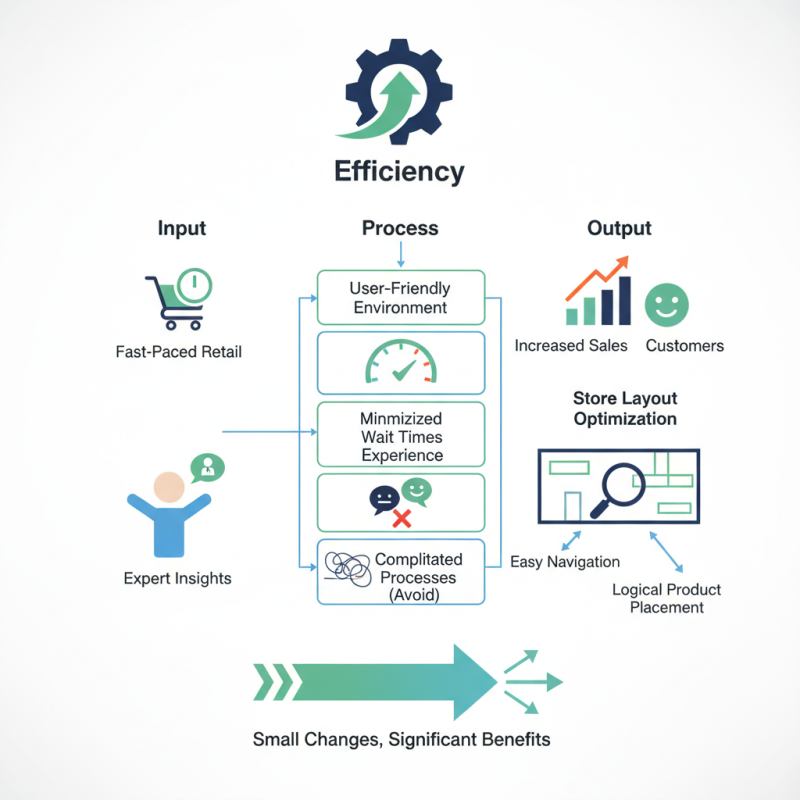
In the fast-paced world of retail, optimizing your store system is crucial. Michael Thompson, a renowned expert in retail technology, emphasizes, “A streamlined store system leads to increased sales and happier customers.” With such insights, businesses can transform operations effectively.
The goal is to create a user-friendly environment. An efficient store system minimizes wait times and enhances customer experience. However, many retailers struggle with unnecessarily complicated processes. This can lead to frustration for both employees and customers.
Consider the layout of your store. Are the checkout areas easy to navigate? Is product placement logical? These aspects are often overlooked but are essential for maximum efficiency. Reflecting on these elements will guide retailers toward a more effective store system. In a competitive market, even small changes can yield significant benefits.
Assessing Current Store System Performance Metrics
Assessing your current store system performance metrics is crucial for optimization. Key metrics include sales per square foot and inventory turnover. Analyzing these figures helps identify areas needing improvement. However, many businesses overlook how customer traffic impacts sales. Tracking foot traffic can reveal patterns that affect revenue.
Another essential metric is staff productivity. You may find that certain roles are overstaffed during slow periods. This inefficiency can lead to unnecessary labor costs. Regular assessments can highlight these issues. Consider conducting employee surveys for deeper insights. Sometimes feedback can uncover blind spots you didn’t notice before.
Inventory management is equally important. Are you stocking items that aren't selling? Slow-moving products can take up valuable shelf space. Utilizing data analytics can help forecast demand and adjust your stock accordingly. It’s vital to find a balance between meeting customer needs and minimizing excess. Being aware of these metrics is just the first step. Continuous reflection on your processes makes optimization an ongoing journey.
Store System Performance Metrics Analysis
Identifying Bottlenecks and Areas for Improvement
Identifying bottlenecks in your store system is crucial for overall efficiency. Start by mapping out each workflow. Look closely at areas where delays consistently occur. For instance, check if inventory restocking is slow. This could lead to dissatisfied customers. Analyze the time taken at each stage of service. Are employees tied up in repetitive tasks? Identify these pain points.
Next, gather feedback from your team. Their insights can reveal less obvious issues. Employees often know where the system falters. Maybe communication between departments is unclear. Or, perhaps the technology used is outdated. These factors can contribute to frustrations and inefficiencies.
Additionally, conduct regular assessments. Frequent checks can surface ongoing problems. Are your processes flexible enough to adapt? A rigid system may resist necessary changes. By staying proactive, you can address issues before they escalate. Optimize your store system by continuously refining it. This iterative approach fosters a more efficient environment.
Implementing Technology Solutions for Streamlined Operations
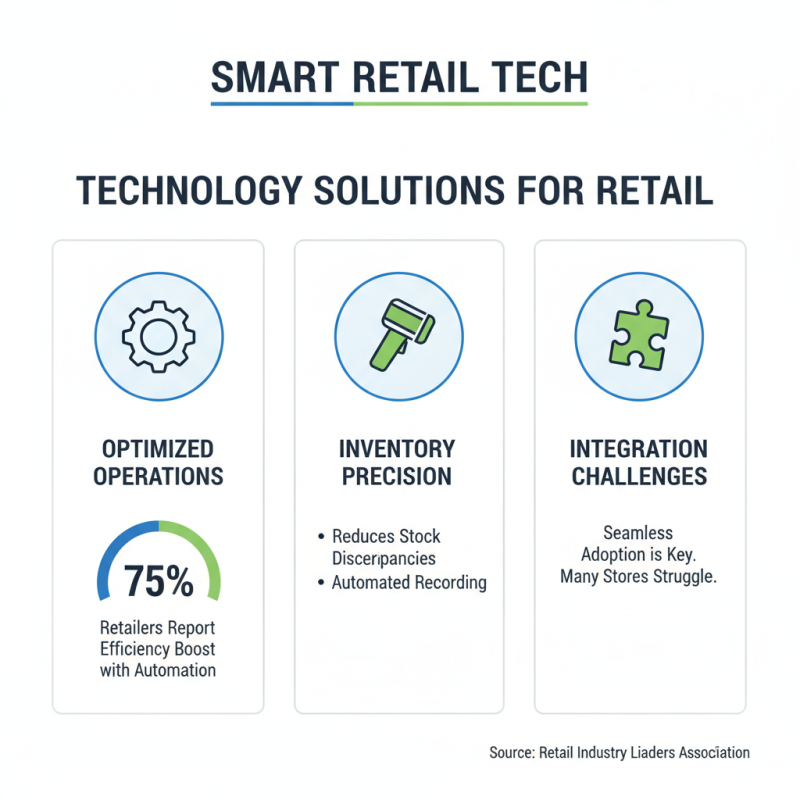
Implementing the right technology solutions is crucial for store operations. The Retail Industry Leaders Association reports that 75% of retailers see improved efficiencies after adopting automated systems. Inventory management technology reduces stock discrepancies. Automated reordering systems help maintain optimal stock levels. However, not every solution guarantees success. Many stores struggle to integrate these technologies seamlessly into their existing processes.
Data from a recent study indicates that over 60% of retailers face challenges when updating their systems. Staff training often falls short. Employees may resist new technologies, fearing job loss. This reluctance can hinder overall efficiency. Moreover, some technology solutions require significant upfront investments. Not all retailers see immediate returns on these investments, leading to potential budget constraints.
Another critical aspect is real-time data analytics. Using data effectively can enhance decision-making. Reports indicate that businesses leveraging analytics improve sales by 10-20%. However, many stores do not fully utilize available data. They miss opportunities for targeted marketing and customer insights. This gap highlight areas needing reflection and improvement.
Training Staff for Optimal System Utilization
Training Staff for Optimal System Utilization
A well-trained staff is crucial for maximizing the efficiency of your store system. Employees must fully understand how to use the system effectively. This includes navigating software and inputting information correctly. Regular training sessions can keep staff updated on new features and best practices.
Tips: Use real-life scenarios during training. This helps staff apply their learning to daily tasks. Create a manual that they can consult at any time. Regular feedback sessions are good too. They allow staff to share their challenges and insights.
Encouraging a culture of continuous improvement can lead to better results. Employees often have unique perspectives on the system. They might spot inefficiencies that others overlook. Failure to listen to their input can stifle innovation. Additionally, not reinforcing best practices often leads to mistakes. These gaps can hinder overall system performance.
How to Optimize Your Store System for Maximum Efficiency? - Training Staff for Optimal System Utilization
| Training Method |
Duration (Hours) |
Cost ($) |
Effectiveness Rating (1-5) |
Feedback Score (1-100) |
| Onboarding Training |
8 |
500 |
4 |
85 |
| Software Usage Workshops |
4 |
300 |
5 |
90 |
| Customer Service Training |
6 |
400 |
4 |
80 |
| Inventory Management Training |
5 |
350 |
4 |
75 |
| Sales Techniques Training |
3 |
250 |
5 |
92 |
Regularly Reviewing and Updating Store Procedures
Regularly reviewing and updating store procedures is essential for maximizing efficiency. Many store owners overlook this critical aspect. However, outdated procedures can lead to delays and confusion. It’s common to find staff members struggling with old guidelines. This affects customer service and productivity.
One approach is to hold monthly review meetings. These gatherings can help identify bottlenecks in existing procedures. Gather feedback from employees who interact with the procedures daily. Their insights may reveal hidden inefficiencies. For instance, an outdated inventory process can slow down stock replenishment. Addressing these issues can streamline operations, but it requires constant effort.
Beyond meetings, consider incorporating a digital feedback tool. This allows staff to report inefficiencies in real time. It encourages a culture of continuous improvement. However, not all feedback will be actionable. Some ideas may lack feasibility or clarity. Regularly refining the ideas is crucial for progress. Balancing employee suggestions with store goals will create a more efficient system.

 +8618862309186
 CONTACT NUMBER
 CONTACT NUMBER
 CONTACT NUMBER