How to Optimize Warehouse Whs for Better Efficiency?
Optimizing warehouse Whs is crucial for enhancing operational efficiency. A well-organized warehouse can significantly reduce costs and improve productivity. Efficient inventory management leads to faster order fulfillment.
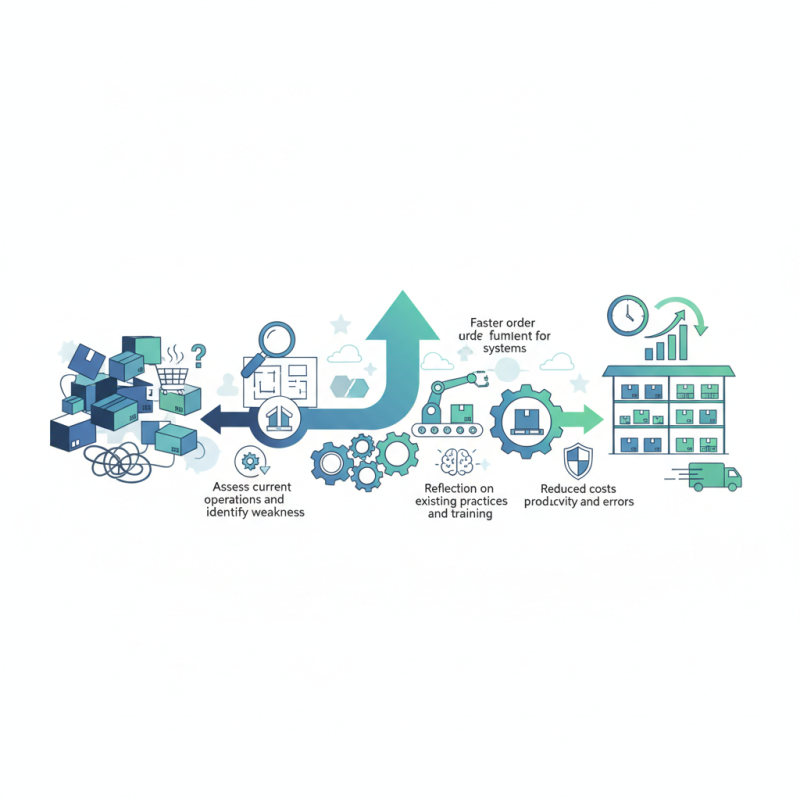
Many warehouses still struggle with organization and flow. This often results in delays and increased labor costs. Implementing new systems can be challenging. It's important to assess current operations and identify weaknesses. Regular reviews help in spotting areas that need improvement.
Technology plays a big role in optimization. Automation tools can streamline processes and reduce errors. However, integrating new solutions might take time and training. Reflection on existing practices is key to finding better approaches. Continuous evaluation is essential for a thriving warehouse Whs.
Understanding Warehouse Optimization Techniques for Improved Efficiency
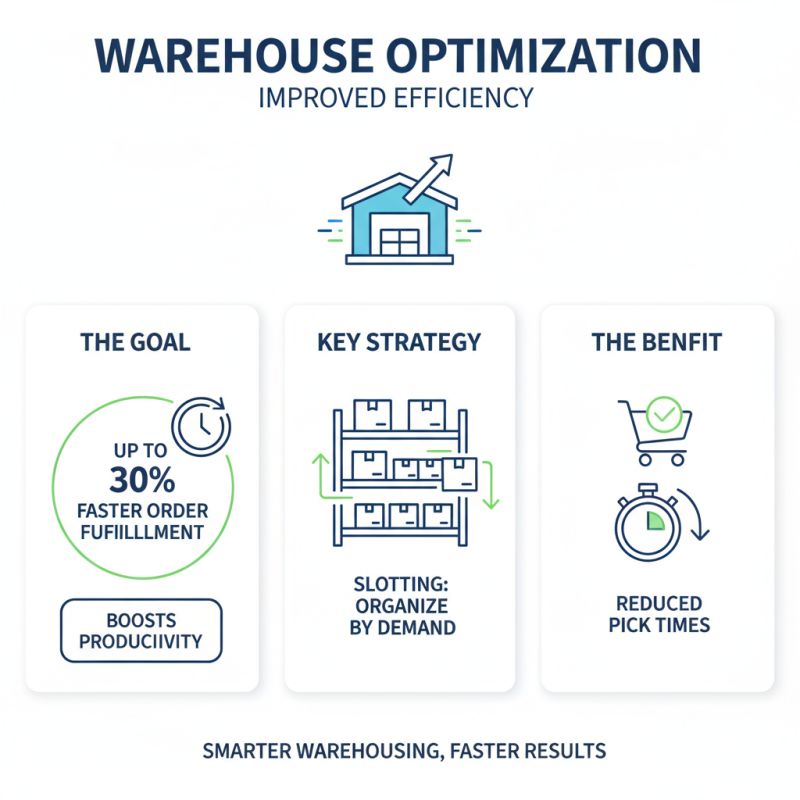
Warehouse optimization is crucial for enhancing efficiency. According to industry reports, optimized warehouses can improve order fulfillment rates by up to 30%. This statistic highlights the significance of adopting effective techniques. Utilizing slotting strategies is one way to achieve this. By organizing products based on demand, companies can reduce pick times and increase productivity.
Implementing technology is another powerful technique. Automation can streamline processes, reducing labor costs significantly. In fact, a study found that businesses using automated systems can lower their operational expenses by 20%. However, not every company can implement full automation. Companies must evaluate their specific needs and choose suitable technologies accordingly.
Tips:
Monitor inventory levels regularly. Keeping track helps to avoid overstocking or stockouts.
Conduct periodic assessments of your layout. A suboptimal warehouse design can hinder efficiency.
Engage your team in brainstorming sessions. Often, employees have insights that management overlooks.
Analyzing Key Performance Indicators (KPIs) for Warehouse Operations
Key Performance Indicators (KPIs) are essential for optimizing warehouse operations. They provide a measurable means to assess efficiency and performance. Common KPIs include order fulfillment rates, inventory turnover, and picking accuracy. According to industry data, warehouses with high order fulfillment rates can see a 33% increase in customer satisfaction. This highlights the importance of tracking these metrics closely.
Another critical aspect is inventory turnover. A report from the Warehousing Education and Research Council shows that a turnover rate of 6 to 12 times per year is ideal. Lower rates might signal overstocking or inefficiencies in sales. Conversely, high turnover may indicate better space utilization or effective inventory management. Regularly analyzing turnover can uncover areas needing improvement, such as slow-moving items.
Nonetheless, focusing too much on KPIs may lead to tunnel vision. Overemphasis on metrics can result in overlooking the broader operational picture. For example, prioritizing speed might compromise accuracy. Balancing efficiency and accuracy is key. Operators should routinely assess their KPIs and adjust strategies accordingly, recognizing that constant evolution is essential for sustained warehouse efficiency.
How to Optimize Warehouse Whs for Better Efficiency? - Analyzing Key Performance Indicators (KPIs) for Warehouse Operations
| KPI |
Description |
Target Value |
Current Value |
Status |
| Order Fulfillment Rate |
Percentage of orders delivered on time |
95% |
92% |
Below Target |
| Inventory Turnover Rate |
How often inventory is sold and replaced |
6 times/year |
7 times/year |
Above Target |
| Average Order Processing Time |
Average time taken to process an order |
48 hours |
50 hours |
Below Target |
| Pick Accuracy Rate |
Accuracy of items picked for orders |
98% |
99% |
Above Target |
| Cargo Damage Rate |
Percentage of damaged goods during handling |
< 1% |
1.5% |
Above Target |
Implementing Technology Solutions to Streamline Warehouse Processes
In today's fast-paced logistics world, optimizing warehouse efficiency is crucial. One effective approach is implementing technology solutions that streamline processes. According to a recent industry report, 73% of warehouses that adopted automation saw a significant reduction in operational costs. Leveraging advanced technologies can lead to enhanced inventory management and improved order fulfillment.
Consider using RFID tags and real-time tracking tools. These innovations help minimize lost items and reduce manual errors. They can also provide accurate inventory counts. A study shows that companies employing inventory management software improved their picking accuracy by up to 30%. However, not all solutions fit every warehouse. Assess your unique needs before investing in technology.
Tip: Start small and test new systems. Monitor their impact on productivity and adjust accordingly. Continuous improvement is essential. Embrace feedback from warehouse staff; their insights can reveal critical gaps in the chosen technology. Don't rush into large-scale implementations without thorough testing. Balancing efficiency and practicality is crucial for long-term success.
Best Practices in Inventory Management to Reduce Turnover Times
Efficient inventory management is crucial to reduce turnover times in warehouses. Proper categorization of stock helps maintain order. For instance, placing fast-moving items closer to dispatch areas can save time. Regular audits can identify dead stock. This prevents overstocking slow-moving items, which ties up valuable space and resources.
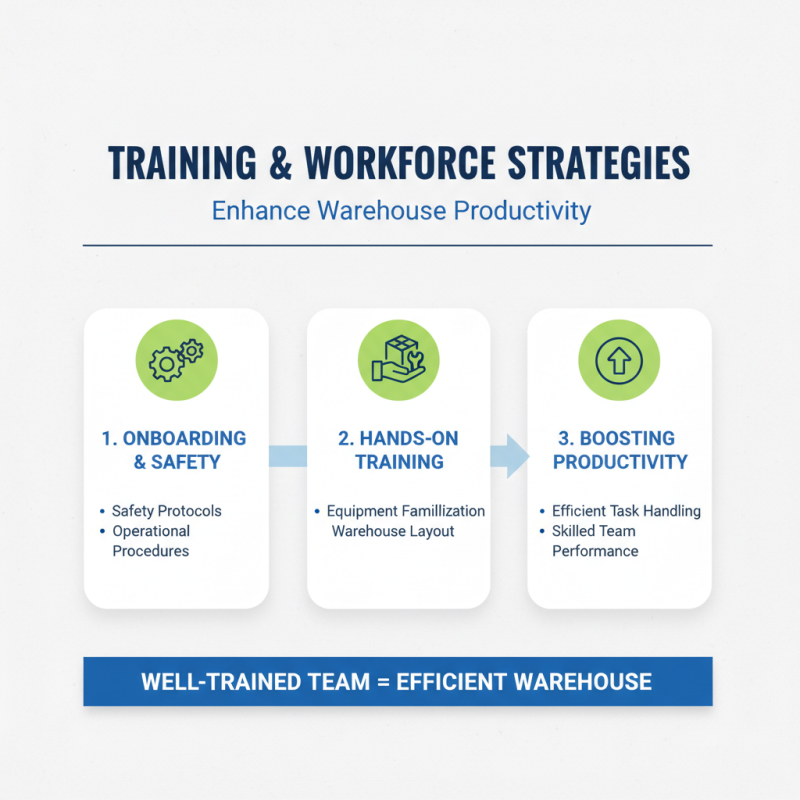
Another essential practice is implementing a clear labeling system. Clear labels on shelves help locate items quickly. Employees can quickly find what they need. This reduces search time, improving overall efficiency. However, some may underestimate the importance of training staff on these systems. A well-trained team can navigate the warehouse with speed and confidence.
Technology plays a vital role too. Using inventory management software can streamline processes. But not every warehouse is ready for digital solutions. Some still rely on manual methods, leading to errors and delays. Reflecting on this, businesses must evaluate their readiness to adopt new technologies. Adapting can yield greater efficiency in the long run.

 +8618862309186
 CONTACT NUMBER
 CONTACT NUMBER
 CONTACT NUMBER