2026 Top Trends in Warehouse Management Automation to Watch
Warehouse Management Automation is evolving rapidly. As supply chains become more complex, automating warehouses is crucial. The year 2026 promises to bring significant trends that can reshape operations.
Innovations such as robotics, AI, and IoT will play a vital role. Companies may struggle with implementation. The need for skilled workers remains a challenge. Despite the hurdles, automated solutions can increase efficiency and reduce costs significantly.
However, not all trends may prove successful. Some technologies might lead to unexpected obstacles. Businesses must navigate these changes carefully. Understanding the risks is essential. As we look ahead, the promise of enhanced efficiency in Warehouse Management Automation is undeniable. Yet, reflection on the potential pitfalls is equally important.
2026 Overview of Warehouse Management Automation Trends
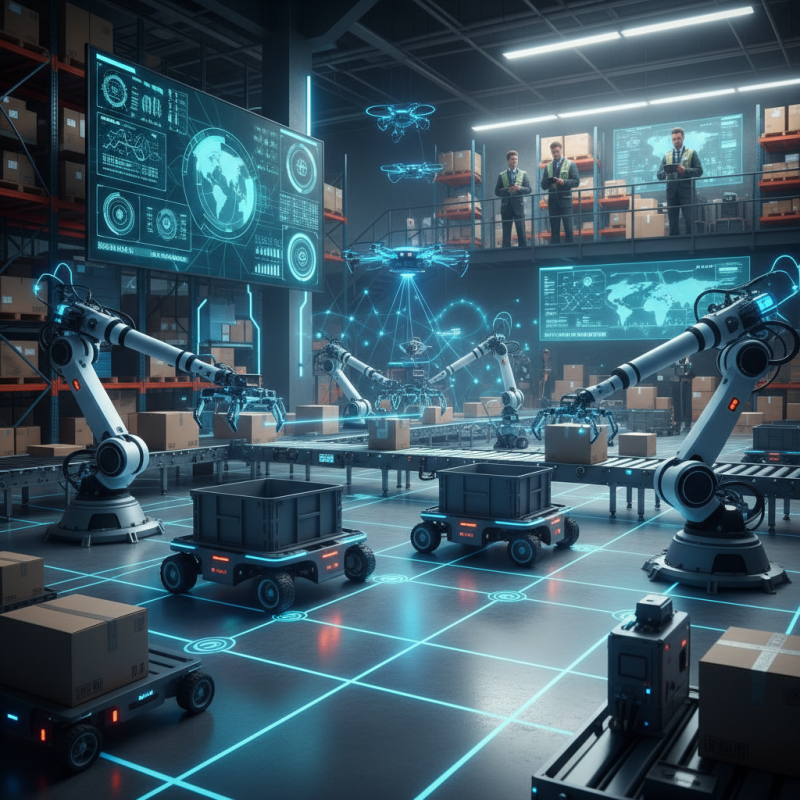
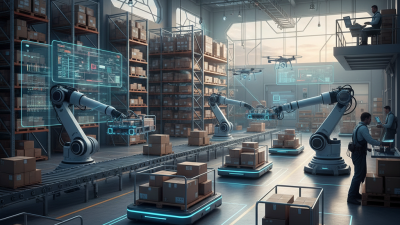
As we look ahead to 2026, warehouse management automation is rapidly evolving. The trends shaping this landscape promise efficiency and innovation. Artificial intelligence plays a central role. Smart algorithms analyze data, optimize operations, and enhance inventory management. Imagine robots moving swiftly through aisles, guided by real-time analytics. These advancements reduce errors and save time.
However, the shift to automation isn't without challenges. Many warehouses still rely on outdated systems. Transitioning to new technologies can disrupt workflows. Staff may resist changes, fearing job losses. Balancing human oversight with automation is crucial. Effective integration requires training and adaptation. Relying solely on machines may lead to unforeseen issues.
Data security is another pressing concern. With increased automation, the risk of cyber threats grows. Warehouses must invest in robust security measures. Protecting sensitive information is non-negotiable. While embracing new trends, warehouses must remain vigilant. The potential for automation is vast, but careful implementation is essential for long-term success.
2026 Top Trends in Warehouse Management Automation to Watch
| Trend |
Description |
Impact |
Expected Adoption Rate |
| Robotic Process Automation (RPA) |
Use of software bots to automate repetitive tasks. |
Increased efficiency and reduced labor costs. |
70% |
| Artificial Intelligence (AI) |
Leveraging AI for demand forecasting and inventory management. |
Improved accuracy in inventory levels and reduced stockouts. |
60% |
| Internet of Things (IoT) |
Utilizing IoT devices for real-time tracking of inventory and assets. |
Enhanced visibility and control of warehouse operations. |
75% |
| Automated Guided Vehicles (AGVs) |
Vehicles that transport goods automatically within warehouses. |
Reduced operational costs and improved safety. |
65% |
| Blockchain Technology |
Securing supply chain transactions and improving traceability. |
Increased trust and transparency in supply chains. |
50% |
Key Technologies Driving Automation in Warehousing
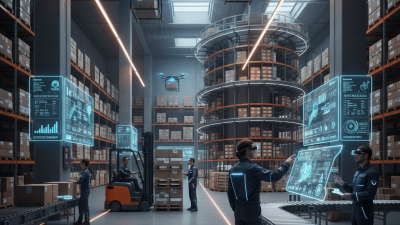
In 2026, warehouse management automation will see significant advancements driven by key technologies. Robotics, AI, and IoT will redefine operational efficiency. Reports suggest that warehouses implementing automation can boost productivity by up to 30%. This shift is changing how logistics operate.
Robotics are becoming essential. Automated Guided Vehicles (AGVs) streamline transportation within warehouses. However, adapting to such technologies presents challenges. Not all businesses can integrate AGVs smoothly. According to industry analysts, only 15% of warehouses have fully automated their processes.
AI analytics play a critical role, too. By analyzing vast data sets, businesses can enhance inventory management. This leads to better decision-making. Still, there's a gap; many companies struggle with data integration. Tips for overcoming this include investing in a solid data infrastructure and continuously training staff.
IoT devices provide real-time tracking of inventory. It helps in reducing errors and optimizing stock levels. But, adopting IoT might require a cultural shift within organizations. Trust in new tech can be slow. Staying informed about trends can ease this transition. Regularly revising your tech strategy will be crucial for success.
Impact of Artificial Intelligence on Warehouse Operations
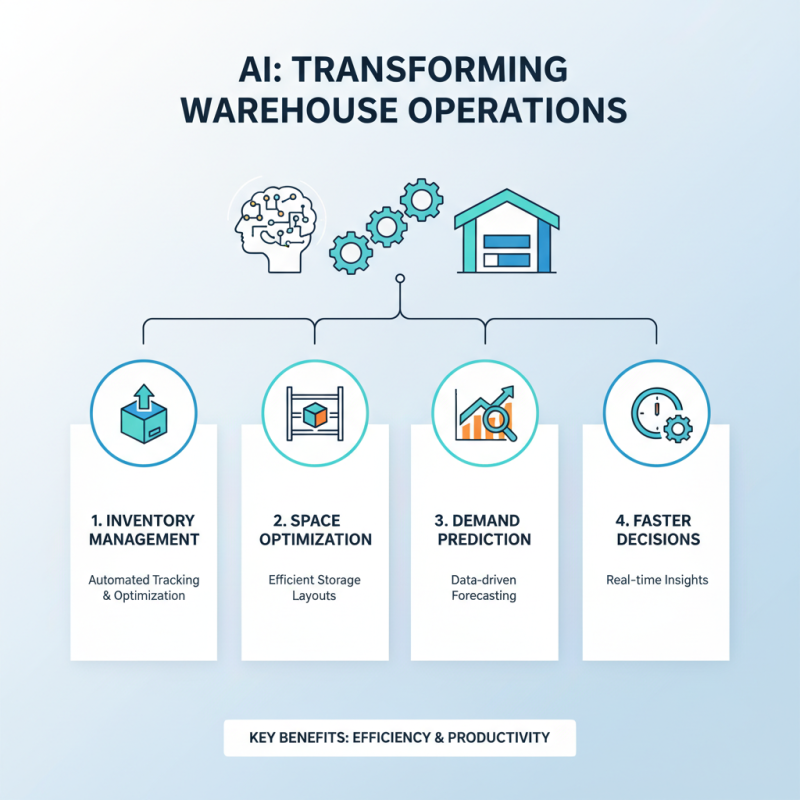
Artificial Intelligence (AI) is transforming warehouse operations in profound ways. Automated systems are no longer mere tools; they are becoming integral to daily operations. They help manage inventory, optimize space, and predict demand. AI can analyze patterns in data quickly, offering insights that humans might miss. This ability speeds up decision-making processes, allowing warehouses to operate more efficiently.
However, the reliance on AI also brings challenges. While it can automate repetitive tasks, it may overlook nuanced human elements. For instance, understanding employee morale or customer preferences is complex. AI might misinterpret data, leading to inventory shortages or overstock. This reliance necessitates a balance between automation and human oversight.
Additionally, integrating AI is not always seamless. Training staff to work alongside AI systems requires effort. Resistance to change can hinder progress. Companies must address these barriers. Investing in proper training is essential. Automation is a powerful ally, but human intuition remains invaluable. The future of warehouse management rests on blending technology and human expertise effectively.
Enhancing Supply Chain Efficiency through Robotics
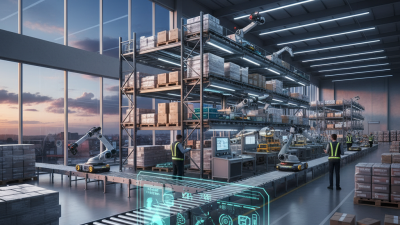
The landscape of warehouse management is evolving. Robotics plays a crucial role in enhancing supply chain efficiency. Automated systems streamline operations. They reduce errors, improve speed, and cut labor costs. However, implementation can be challenging. Choosing the right technology requires careful planning and resources.
Robotic solutions can sort, pick, and pack items. They work seamlessly alongside human workers, increasing productivity. Yet, employees may feel threatened by automation. This anxiety can impact morale. Training is vital to ensure everyone adapts to the new environment. Open communication can help alleviate concerns.
As automation grows, data collection becomes essential. Real-time insights guide decision-making. Warehouse managers can adjust workflows based on performance metrics. However, reliance on technology may pose risks. System failures can disrupt operations. A balanced approach, combining tech and human oversight, is necessary for sustainable success.

 +8618862309186
 CONTACT NUMBER
 CONTACT NUMBER
 CONTACT NUMBER