Top Warehouse Guidelines for Efficient Operations and Best Practices?
In the fast-paced world of logistics, understanding Warehouse Guidelines is crucial for maximizing efficiency. According to Sarah Mitchell, a logistics expert with over 20 years of experience, "Effective warehouse operations are built on clear, practical guidelines." This statement highlights the importance of well-defined practices in warehouse management.
Every warehouse operates under unique conditions. However, certain foundational Warehouse Guidelines can lead to notable improvements. For instance, organizing inventory based on turnover rates can drastically reduce search times. Inadequate space utilization is a common pitfall. It’s essential to analyze layout designs regularly to accommodate changing inventory needs.
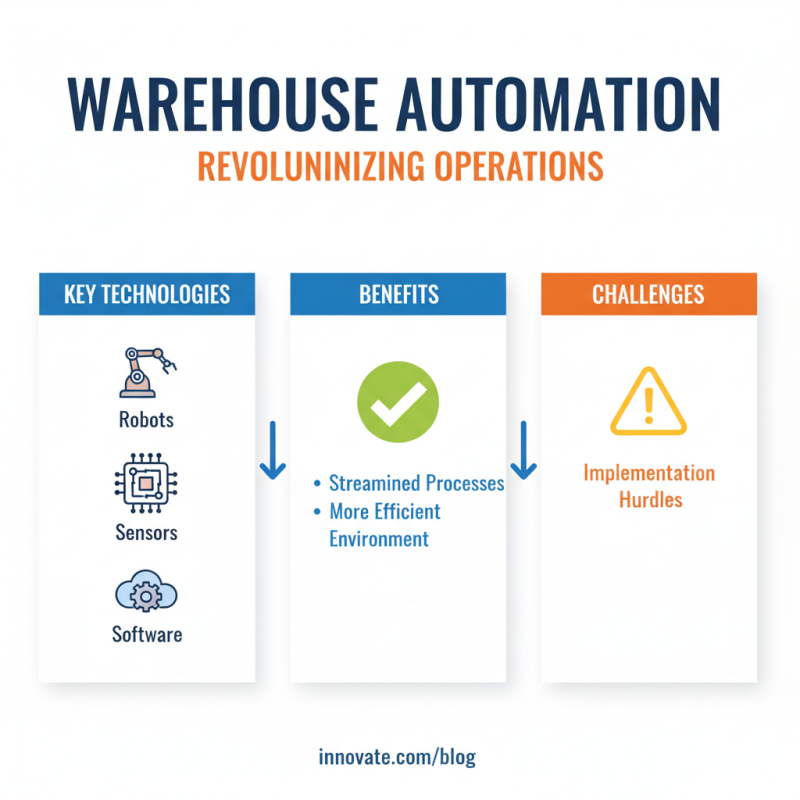
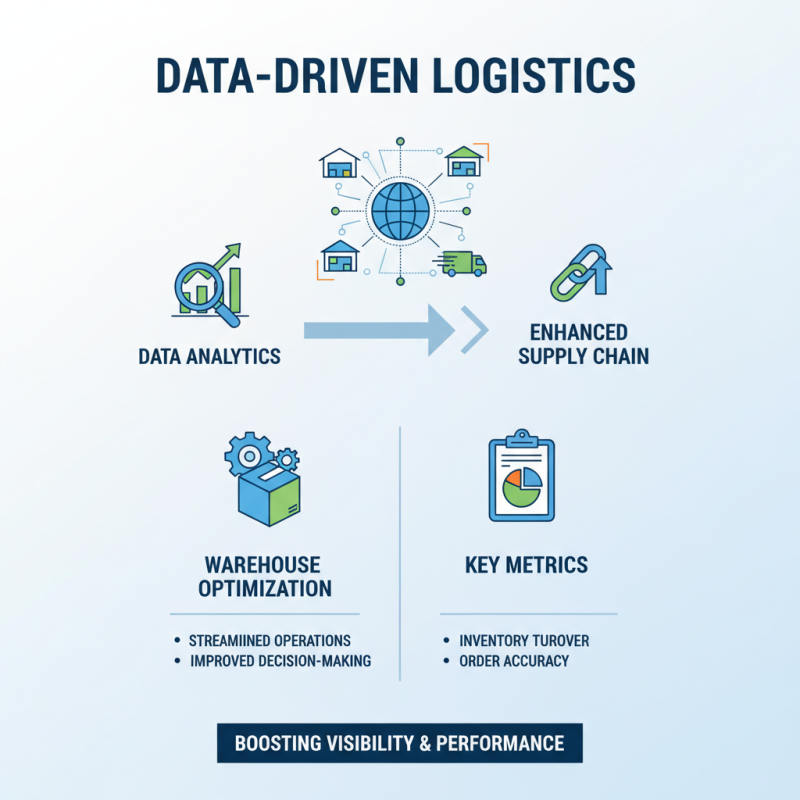
Moreover, technology plays a vital role in enhancing operations. Implementing inventory management software can streamline processes. However, technology shouldn’t replace human insight. Relying solely on automation may overlook nuances that experienced staff can identify. Balancing technology with human judgment is essential. Clear Warehouse Guidelines should adapt to the specific challenges each warehouse faces. Ensuring a continually evolving strategy can lead to long-term success.

Top Warehouse Design Strategies for Maximizing Space and Efficiency
Efficient warehouse design is crucial for maximizing space and improving operations. According to a report by the Warehousing Education and Research Council (WERC), effective layout can boost productivity by up to 25%. It’s vital to assess the flow of goods. Create designated zones for receiving, storage, and shipping to minimize unnecessary movements.
Tip: Use vertical space. Tall shelves can reduce the footprint of storage. However, safety must be a priority. Ensure that workers can easily access items, and provide proper training on equipment.
Incorporate flexible systems that adapt to changing demands. Research suggests that adaptable layouts can lead to savings of 15% in operational costs. Be mindful that poor design can lead to congestion and delays. Regularly review layout efficiency and employee feedback to identify pain points.
Tip: Emphasize clear pathways. Establish wide aisles to prevent bottlenecks. Aim for a layout that supports smooth transitions between zones. Balancing space and efficiency requires continuous reflection and tweaks.
Warehouse Efficiency Metrics: Space Utilization vs. Order Accuracy
Essential Inventory Management Techniques to Reduce Costs
Effective inventory management is crucial for reducing operational costs in warehouses. Implementing techniques like cycle counting can help maintain accuracy. Instead of annual audits, cycle counting allows for continuous checks. This method minimizes disruptions and ensures real-time data. It is also essential to regularly update inventory systems to reflect current stock levels. Having outdated data can lead to poor decision-making.
Another significant technique is ABC analysis. This method categorizes inventory based on value. A items are high-value products with a minor quantity. B items are of moderate value and quantity. C items are low-value but often high in number. Focusing on A items aids in prioritizing resources effectively. However, misclassifying items can lead to chaos in inventory management.
Utilizing just-in-time (JIT) inventory can lower holding costs. JIT reduces stock levels by aligning orders with production schedules. Yet, it requires careful planning. Supply chain disruptions can lead to stockouts. This demands continuous evaluation and adjustment. Empowering employees with inventory training is vital too. They should understand inventory flows and common mistakes. Inadequate training can lead to errors and increased costs.
Top Warehouse Guidelines for Efficient Operations and Best Practices
| Guideline |
Description |
Benefit |
| Optimize Storage Layout |
Arrange inventory to minimize travel time and maximize space utilization. |
Increases picking efficiency and reduces labor costs. |
| Implement Inventory Management Software |
Use technology to track inventory levels and automate reordering processes. |
Reduces stockouts and overstock situations, leading to cost savings. |
| Regular Staff Training |
Ensure staff are trained on best practices and new technologies. |
Enhances productivity and decreases errors in order fulfillment. |
| Conduct Cycle Counts |
Regularly verify inventory levels without full inventory counts. |
Improves inventory accuracy and reduces discrepancies. |
| Utilize Automation Where Possible |
Incorporate automated systems for sorting, picking, and packing. |
Lowers labor costs and increases throughput. |
Key Safety Protocols to Ensure Employee Well-being in Warehousing
In warehousing, employee safety is paramount. According to the Occupational Safety and Health Administration (OSHA), warehouse workers face higher injury rates than many other industries. Data shows that over 100,000 workers are injured annually due to accidents related to lifting, falling, and machinery. Implementing safety protocols is not just beneficial; it is necessary.
Regular safety training is essential. Workers should undergo training on proper lifting techniques and equipment usage. Ensure all employees understand the procedures for handling hazardous materials. Remember, communication is key. Frequent safety meetings can help reinforce these practices.
Tip:
Establish a safety committee to discuss incidents and improvements.
Also, maintaining a clean workspace reduces risks significantly. Debris and clutter can lead to falls or machinery accidents. Use clearly marked walkways and ensure all areas are well-lit. Data suggests that organized workspaces can decrease accident rates by up to
30%.
Tip:
Schedule daily clean-up checks to ensure a safe environment.
Despite these measures, some issues persist. Not all employees may adhere to safety protocols consistently. Regular audits and employee feedback can help identify gaps in compliance.
Addressing these concerns openly can create a culture of safety awareness.

 +8618862309186
 CONTACT NUMBER
 CONTACT NUMBER
 CONTACT NUMBER