What is Warehouse Operations? Understanding Key Processes and Benefits
Warehouse operations are a crucial component of supply chain management, encompassing various processes that ensure the efficient handling of goods from storage to shipping. As industry expert John Smith, a leading figure in logistics solutions, once stated, "Effective warehouse operations are the backbone of a successful supply chain, facilitating speed and accuracy in fulfillment." Understanding the key processes involved in warehouse operations is essential for businesses looking to improve their logistics efficiency and meet evolving consumer demands.
In today's rapidly changing marketplace, the importance of optimized warehouse operations cannot be overstated. From inventory management to order fulfillment, every step plays a vital role in maintaining the flow of goods and minimizing operational costs. Moreover, leveraging technology and best practices in warehouse operations can lead to significant benefits, including enhanced productivity, reduced lead times, and improved customer satisfaction. As we delve deeper into the world of warehouse operations, we will explore the fundamental processes that drive success and the advantages they bring to organizations striving for excellence in their supply chain strategies.
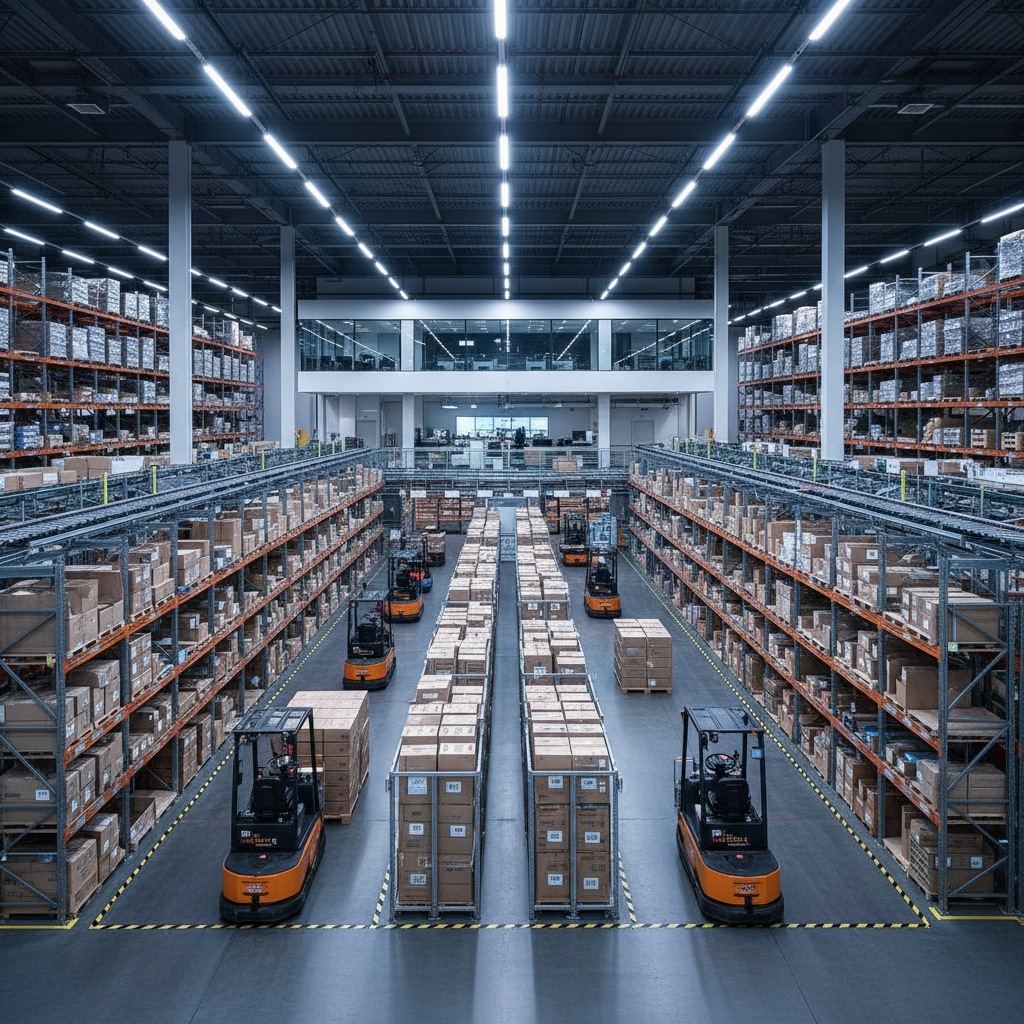
Understanding Warehouse Operations: A Comprehensive Overview
Warehouse operations are evolving rapidly, driven by emerging trends and advanced technologies that enhance efficiency and effectiveness. According to recent research from IMARC Group, the global warehouse management software market is projected to grow significantly, highlighting the increasing importance of integrating technology into warehouse processes. The rising trends in robotics are also reshaping warehouse operations, as showcased at ProMat 2025, where innovative solutions were presented to address the labor crisis.
To optimize your warehouse operations, consider these tips:
1. Invest in automation technologies such as robotics and AI to streamline processes and reduce labor dependency.
2. Leverage data analytics to forecast inventory requirements accurately, which can significantly minimize storage costs and improve order fulfillment.
3. Adopt value-added fulfillment services to enhance delivery efficiencies and customer satisfaction.
As the landscape continues to change from Industry 4.0 to 6.0, the integration of AI in supply chain management will play a critical role. This shift indicates a future where predictive analytics and autonomous systems facilitate more informed decision-making and dynamic operations. Embracing these advancements can provide a competitive edge, enabling businesses to adapt swiftly to market demands while ensuring operational excellence.
Key Processes in Warehouse Management: Streamlining Efficiency and Accuracy
Warehouse operations are pivotal to the supply chain, focusing on the efficient management of goods from the point of arrival to final dispatch. Key processes in warehouse management include inventory control, order fulfillment, and shipping logistics. By streamlining these operations, businesses can enhance both efficiency and accuracy, ultimately improving customer satisfaction and reducing costs.
One effective tip for improving warehouse operations is to implement an automated inventory management system. This helps in maintaining real-time visibility of stock levels, allowing for better forecasting and replenishment. Additionally, regular training programs for staff on the latest technologies can lead to more proficient handling of inventory, ensuring minimal errors in order processing.
Another crucial aspect is optimizing the layout of the warehouse. By strategically placing frequently picked items closer to the packing and shipping areas, you can significantly reduce travel time for workers. Incorporating clear labeling and signage within the warehouse can also aid in faster navigation, decreasing the likelihood of mistakes and delays during order fulfillment.
The Role of Technology in Modern Warehouse Operations
In today’s fast-paced logistics environment, technology plays a pivotal role in optimizing warehouse operations.
According to a report by the Warehouse Education and Research Council, about 80% of warehouse managers believe that technology adoption has significantly improved their operational efficiency.
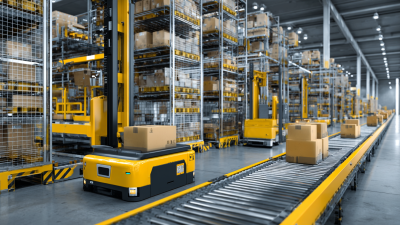
Automated systems such as conveyor belts and robotics reduce manual labor, allowing companies to process up to 3 times more orders per hour compared to traditional methods.
This not only speeds up fulfillment but also enhances accuracy, minimizing costly shipping errors.
Moreover, the integration of data analytics and real-time inventory management systems provides warehouses with insightful metrics to enhance decision-making processes.
The 2023 Global Warehousing Trends report highlights that warehouses using advanced analytics have seen a 15% reduction in operational costs.
As businesses seek to streamline operations and respond to consumer demands more effectively, investing in technology becomes not just an option, but a necessity for remaining competitive in the market.
The shift towards a tech-driven approach is shaping the future of warehousing, maximizing efficiency and throughput while reducing operational risks.
Analyzing Labor Costs and Productivity Trends in Warehousing
Labor costs represent the highest operating expense in modern warehouses, making it crucial for businesses to analyze trends and optimize productivity. With the increasing complexity of supply chains and ongoing disruptions, warehouses are seeking innovative solutions to enhance efficiency. Many are turning to artificial intelligence and automation technologies, which help streamline operations, reduce labor dependency, and ultimately lower costs.
Current trends in warehouse management highlight the rising utilization of AI-driven tools, which assist in inventory management, demand forecasting, and order fulfillment. Additionally, there’s a growing emphasis on data analytics to monitor labor productivity and identify areas for improvement. As businesses adopt these technologies, they can gain better insights into operational efficiencies, which not only impact labor costs but also enhance overall performance in a competitive landscape. This shift towards automation and data-driven decision-making is shaping the future of warehousing, creating a more agile and responsive supply chain.
Benefits of Optimized Warehouse Operations: Statistics and Case Studies
Optimized warehouse operations play a critical role in enhancing overall efficiency and productivity within supply chains. One significant benefit is the reduction of operational costs. Statistics show that businesses implementing optimized processes can reduce warehousing costs by up to 20%. This is achieved by streamlining workflows, minimizing wasted space, and ensuring proper inventory management, which collectively contribute to a more efficient use of resources.
Case studies further illustrate the advantages of optimized warehouse operations. For instance, a leading retail company reported a 30% decrease in order fulfillment time after adopting automated sorting systems and real-time inventory tracking. These improvements not only sped up the delivery process but also significantly boosted customer satisfaction and repeat business. Another example is a national distributor that increased its storage capacity by 25% without expanding its footprint, simply by reorganizing its shelving and improving inventory turnover rates. These outcomes underscore the tangible benefits that businesses can reap from investing in optimized warehouse processes, ultimately leading to enhanced competitive advantage in the market.
Benefits of Optimized Warehouse Operations
| Key Metrics |
Before Optimization |
After Optimization |
Improvement (%) |
| Order Picking Time (hours) |
8 |
4 |
50% |
| Inventory Accuracy (%) |
85 |
98 |
15% |
| Space Utilization (%) |
70 |
85 |
21.43% |
| Shipping Accuracy (%) |
90 |
99 |
10% |
| Labor Cost per Order ($) |
5 |
3 |
40% |

 +8618862309186
 CONTACT NUMBER
 CONTACT NUMBER
 CONTACT NUMBER