Discover the Benefits of Vertical Lift Storage Modules in China
As industries in China rapidly evolve, the demand for efficient storage solutions rises. Vertical Lift Storage Modules (VLSMs) have emerged as a powerful tool to maximize space and enhance productivity. Industry reports suggest that VLSMs can improve storage density by up to 75%, delivering significant savings. In a market where efficiency is paramount, these systems offer a practical response to growing logistical challenges.
Dr. Li Wei, a leading expert in automated storage solutions, states, “Vertical Lift Storage Modules not only optimize space; they streamline operations.” His insights highlight a crucial aspect of VLSMs: their role in enhancing workflow. With quick retrieval times, these systems contribute to a more agile supply chain.
However, not all implementations are seamless. Some businesses face challenges in integration and maintenance. It's essential to conduct thorough assessments. The unique needs of each company must be matched with the capabilities of VLSMs. Understanding this balance is vital to leveraging the full potential of Vertical Lift Storage Modules.
Understanding Vertical Lift Storage Modules: Definition and Functionality
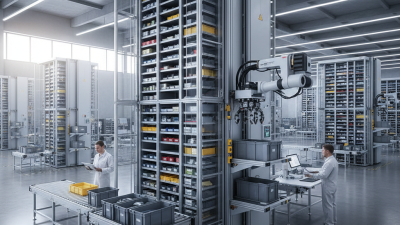
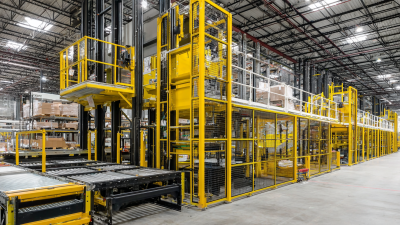
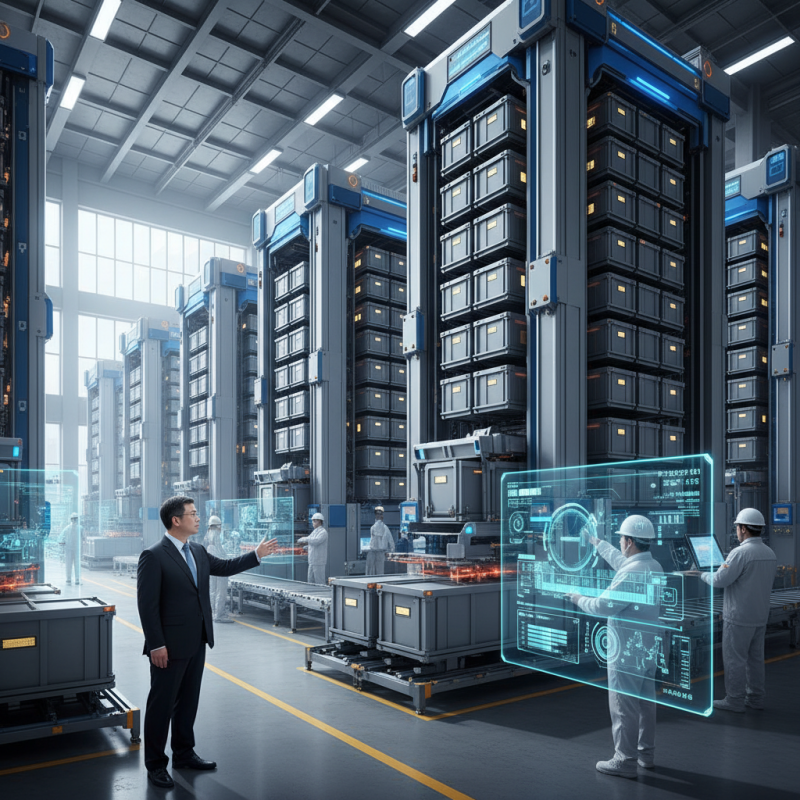
Vertical Lift Storage Modules (VLSMs) are innovative storage solutions gaining traction in China. These systems maximize vertical space, enabling businesses to store more in less ground area. By utilizing automated lifts, VLSMs significantly reduce picking time, enhancing overall operational efficiency. They are ideal for warehouses, manufacturing units, and retail sectors.
When considering VLSMs, think about the layout of your facility. A detailed assessment will help you determine the best placement for these modules. Proper installation is crucial for functionality. Ensuring that the system integrates smoothly with existing operations can be challenging but rewarding.
Tips for optimizing VLSM use include regular maintenance checks. This keeps the system running efficiently and prevents unexpected downtimes. Additionally, training staff on the system's operation is vital. Knowledgeable employees can maximize the benefits of VLSMs and enhance productivity. Embrace the potential of vertical lift systems, but always remain aware of their limitations and seek continuous improvement.
The Advantages of Vertical Lift Storage Modules in Warehousing Efficiency
Vertical lift storage modules offer significant advantages in warehousing efficiency. These systems maximize vertical space, allowing businesses to store up to 80% more items. By utilizing this height, companies can greatly reduce floor space requirements, leading to savings in rent and utility costs.
The speed of retrieval is another benefit. Items are automatically delivered to the operator, reducing the time taken to find products. This minimizes worker fatigue and increases overall productivity. However, not all warehouses may experience the same improvement. Factors such as existing layout and inventory types can limit effectiveness.
Additionally, vertical lift storage systems enhance inventory accuracy. With integrated technology, errors in picking and storing can be minimized. This leads to fewer returns and higher customer satisfaction. Yet, installation costs can be a barrier for smaller businesses. They must weigh benefits against their budget constraints. As with any system, careful consideration is necessary to ensure it meets specific needs.
Cost-Effectiveness of Vertical Lift Storage Solutions in Industrial Applications
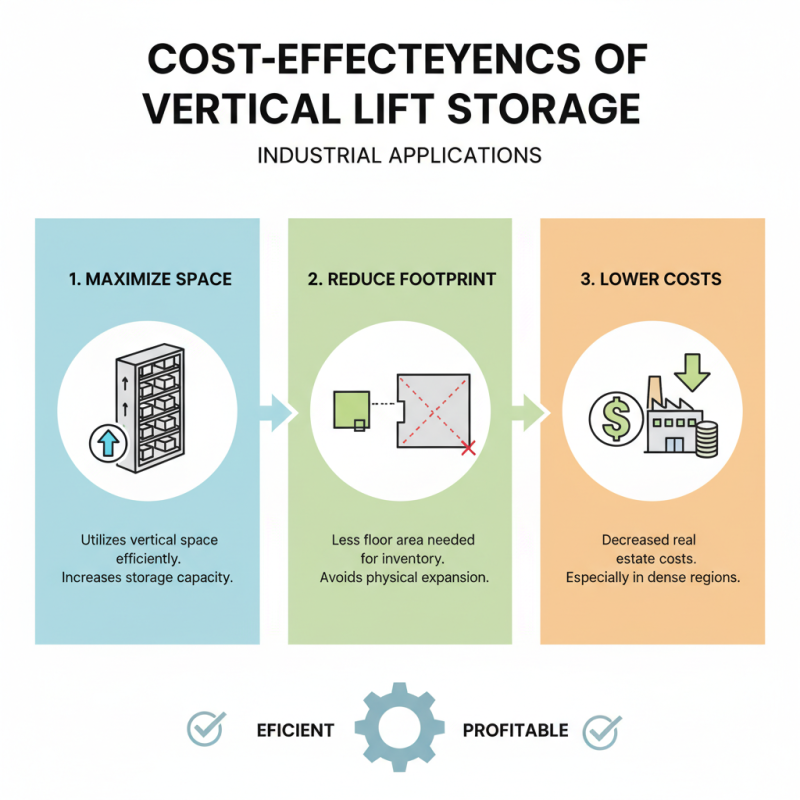
In industrial settings, vertical lift storage modules provide significant cost benefits. These systems utilize vertical space efficiently, allowing businesses to maximize storage capacity without expanding their footprint. By reducing the required floor area for inventory, companies can lower their real estate costs. This is particularly crucial in densely populated regions.
Operational efficiency improves as well. Vertical lift systems speed up the retrieval and storage of items. This minimizes the time workers spend searching for products. Consequently, labor costs decrease, allowing employees to focus on more valuable tasks. However, initial investment can be high. Companies must weigh this against long-term savings.
Flexibility is another consideration for businesses. Not all companies need the same storage solution. Some may find that a vertical lift system is too specialized for their operations. Others might invest in technology that becomes obsolete too quickly. Careful planning and evaluation are essential for maximizing these systems' benefits.
Impact of Vertical Lift Storage Modules on Space Optimization in China
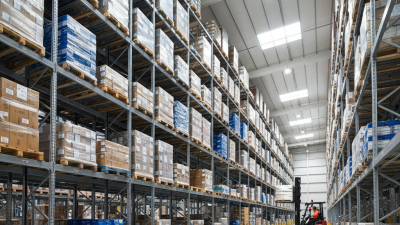
Vertical lift storage modules are revolutionizing space utilization in China. These systems maximize vertical space while minimizing floor area. By stacking items efficiently, they free up valuable ground space often lost in traditional warehousing solutions. This shift is particularly crucial in urban centers, where real estate is scarce and expensive.
The impact on businesses is significant. Companies are witnessing improved inventory management and faster retrieval times. This leads to enhanced productivity. However, there are challenges. Not all organizations have the expertise to implement these systems. Training staff and adapting workflows take time and resources. Additionally, initial installation costs can be daunting for some.
Despite these hurdles, many see the strategic benefits. Increased organization helps reduce clutter. A neatly arranged storage system can prevent accidents and improve safety. As more firms recognize the long-term advantages, the adoption of vertical lift modules will likely increase. Balancing costs with efficiency remains a critical reflection point for decision-makers.
Future Trends and Innovations in Vertical Lift Storage Technology in China
The vertical lift storage technology in China is rapidly evolving. Innovations in this field focus on maximizing space efficiency and improving retrieval speed. In warehouses and distribution centers, these systems can store items vertically, reducing the footprint of traditional storage solutions. As businesses face increasing pressure to optimize operations, vertical lift modules offer a promising solution.
Recent trends indicate a shift towards automation and IoT integration. Advanced sensors and smart software enable real-time monitoring of inventory levels. Such features can lead to a more responsive supply chain. However, the adoption of these technologies isn’t without challenges. The initial investment for modernization can be significant. Some companies may struggle to adapt their existing infrastructure, causing delays in implementation.
Future advancements may also include improved energy efficiency and reduced operational costs. Research suggests that leveraging renewable energy sources could become standard practice. Yet, companies must remain vigilant about ongoing maintenance and training for their workforce. Balancing innovation with practical implementation will be crucial for success in vertical lift storage solutions.

 +8618862309186
 CONTACT NUMBER
 CONTACT NUMBER
 CONTACT NUMBER